
In my 16+ years of experience as a Senior Software Engineer, I’ve seen the digital world change in ways I couldn’t have imagined when I started. Now, more than ever, companies need flexible, scalable web applications that perform under pressure. The biggest success stories I’ve witnessed came from teams handpicked for the job, and from clients who clearly understood not just the technology but the people behind it. If you’re looking to build apps that can handle growth, the right developer is your most valuable resource. This article is all about how to find and work with those talents, and how I approach these projects myself, following the principles I use in my daily consulting work.
Why picking the right developers makes or breaks scalable apps
High-traffic, always-on applications don’t just run on code, they run on foresight, creativity, and deep technical skill. PHP and JavaScript power some of the world’s largest platforms. But there’s a big difference between someone who can write code that works and a developer who builds with scale and security in mind from day one.
According to studies from Jessup University, the demand for professionals in the web development field is growing much faster than average. With this growth comes a flood of developers, making selection both more rewarding and more challenging. Based on my work with dozens of startups and enterprises, there are some clear signals that help you hire developers who won’t just meet today’s needs, but tomorrow’s as well.
Pick smart today for a smoother tomorrow.
Defining your app’s scope: which developer do you need?
One mistake I often see is clients hiring for prestige or buzzwords instead of the actual needs of their app. The first question you need to answer: Where will your app run its logic? And what experience are you offering to your users?
When to prioritize PHP developers
PHP still drives much of the server-side logic powering dynamic sites and APIs. It’s highly effective for backends that need to handle large volumes of data, user authentication, complex workflows, or integrate with existing CMS platforms. In my work, I’ve used PHP - especially modern frameworks like Laravel - to deliver robust, maintainable APIs and business logic layers.
When JavaScript takes center stage
If your application’s user interface must be fast, interactive, or single-page, JavaScript is your best friend. Frameworks such as React or even server-side Node.js turn JavaScript into a tool for building from the front all the way to the backend. I recommend focusing on JavaScript expertise for anything with complex frontend logic, real-time updates, or event-driven systems.
Projects that need both
For most fully-fledged web apps, you need both: PHP for data, business rules, and integrations; JavaScript for the smooth, powerful client experience users expect.
- Dashboards with real-time reporting? Both are needed.
- ECommerce platforms that sync inventory and process orders? Both again.
- Media platforms or SaaS apps? You guessed it, both!
Designing these hybrid systems is where full-stack developers, like myself, really shine, especially when you want lean teams and fast feature delivery. If your project needs this mix, you may want to learn more in the full-stack web developer guide on my site.
Skills to look for in PHP and JavaScript developers
Years spent in the industry have taught me that not all skillsets are created equal. When hiring for scalable projects, these are the abilities I always seek out (and work hard to refine myself):
- Framework fluency: For PHP, experience with modern frameworks like Laravel (which I recommend due to its architecture and scalability). For JavaScript, practical skills in React, Vue, or Node.js are a must.
- Database know-how: Building for scale means structuring data carefully, so look for people who understand relational (MySQL, PostgreSQL) and non-relational databases (MongoDB, DynamoDB).
- Security best practices: Ask for examples of how they prevent SQL injection, XSS, CSRF, and manage secrets. Good developers will have answers ready.
- API integration skills: Modern apps connect to payment providers, clouds, third-party services, or mobile clients. Experience designing, building, and consuming APIs is non-negotiable.
- Cloud and DevOps awareness: Many scalable apps live on platforms like AWS, Azure, or Google Cloud. Experience with these (setting up CI/CD, scaling servers, serverless functions, containerization) sets apart those who can handle scale.
- Problem solving and architecture: The difference between a decent developer and the one you want is the ability to break down big ideas and see where things might fail as the app and userbase grow.
More details about the skills and how they apply to large backend systems can be found in my backend solutions guide. I approach each project with this checklist, but I also look for adaptability and a growth mindset, since technology changes so quickly.
Framework preference: should you specify which to use?
When onboarding a new project, clients sometimes ask if they should dictate the framework, say, request Laravel for PHP or React for JavaScript. My experience? If you already have a team and existing codebase, consistency helps. Otherwise, let your architect or lead developer propose tools that suit your budget, deadline, and features. It’s always best to discuss your goals and let expertise guide the decision.
Pros and cons: freelancers, in-house, or managed teams?
This is one of the choices with the most impact on your costs, timeline, and even your business’s agility. I’ve worked across all models, and here’s an honest comparison.

Freelancers
I work as a freelancer myself, so I understand the flexibility and cost-efficiency this model offers. You get specialist skills for a set period or a project scope. Communication is often one-on-one. The caveats? You need to manage schedules, find people with proven reliability, and sometimes coordinate multiple freelancers for different roles. The benefits, though, are clear: fast onboarding, clear deliverables, and the ability to swap talent as needs change.
In-house/dedicated teams
This fits best for large, ongoing projects with a steady flow of features and updates. The main advantage is knowledge retention and alignment with your company culture. However, it’s costlier, requires a recruitment process, and takes time before new hires understand your stack or domain.
Managed teams and consulting
Managed teams, like hiring a specialist firm or me coordinating a group of trusted developers, offer end-to-end project management. You get regular updates, less direct involvement, and a single point of accountability. For startups or teams without technical leadership, this offers peace of mind. The tradeoff is usually higher cost and potentially less control over the minutiae of daily progress.
- Freelancers: Flexible, range of expertise, budget-friendly, but may demand more coordination.
- In-house: Deep product understanding, easier collaboration, but costly and slower to scale.
- Managed: All-in-one solution, predictable outcomes, yet more expensive and higher initial contract overhead.
In my experience, early-stage projects lean on freelancers or managed experts, then shift to in-house as the business model matures.
How I assess candidates for scalable projects
Across dozens of interviews and project launches, I’ve developed a consistent approach for technical screening and evaluation. If you want strong, scalable outcomes, make sure each candidate can show:
- A live demo or code snippet relevant to your stack.
- Case studies or portfolio with similar user or data loads.
- Knowledge of specific frameworks you plan to use.
- Experience debugging and resolving problems at scale.
- Clear communication about timelines, risks, and priorities.
I use a mix of code tests, architecture discussions, and real-life scenarios. For instance, I might ask, “How would you handle a sudden spike in user traffic?” or “How do you design database indexes for reporting dashboards?” The best candidates not only answer, they walk through trade-offs, flag edge cases, and suggest alternatives.
For some guidance on frontend assessment, you might want to read my frontend developer hiring guide. It’s packed with examples from recent client work.
Custom solutions and designing for scale from day one
Scalable web apps never just “happen.” They’re designed that way, from the first line of code. In my work, I always prioritize:
- Stateless architectures: Keeping components independent helps your app grow without bottlenecks.
- Caching strategies: Tools like Redis or Varnish can reduce database load, making more efficient use of hardware.
- Load balancing: Distributing requests using cloud load balancers or open-source options provides high availability.
- Security layers: Authentication, encryption, and regular code reviews are never optional.
- Performance testing: Benchmarking and profiling (with tools like Blackfire, Lighthouse, or custom scripts) ensures you spot bottlenecks before users do.
For PHP, I often recommend Laravel for its structure and built-in features. If you’re weighing frameworks, my guide on scalable web apps with Laravel outlines design patterns and performance tips learned in production settings.
Best practices for team collaboration and communication
Technology gets the job done, but people make it possible. Apps only scale when teams, internal, freelance, or managed, coordinate without friction. My approach prioritizes:
- Regular, short check-ins: Quick updates, not endless meetings, keep progress visible and problems small.
- Clear documentation: Every decision, endpoint, or architectural choice is written down. It helps new and existing team members stay aligned.
- Accessible project management tools: Whether it’s Kanban boards or simple to-do lists in version control, everyone should know what they’re working on, and why.
- Code reviews and mentorship: Shared knowledge leads to more secure, reliable code. I always encourage technical discussions, not just sign-offs.
- Time zone awareness for remote teams: In my digital nomad journey, I discovered that communication rules need to account for time differences. Async updates, recorded demos, and written standups prevent delays.
Tools matter, but trust matters more.
Cloud, DevOps, and AI: enhancing scalability for today’s web apps
Web development is no longer just about server-client communication. These days, cloud integration, automated deployments, and even AI-driven features can make or break a product’s success. In my freelance work and as part of Adriano Junior’s digital practice, I combine these trends to deliver fast, reliable, and intelligent applications.

Cloud platforms and DevOps
Hosting apps on AWS, Azure, or Google Cloud enables near-limitless scaling, automated failover, and rapid deployment pipelines. Developers with skills in Infrastructure as Code (using tools like Terraform or AWS CloudFormation), containerization (Docker), and CI/CD pipelines open the door to zero-downtime updates and fast rollbacks.
AI in web development
I’m increasingly asked about integrating machine learning or smart automation into PHP or JavaScript projects. Whether it’s recommendation engines, predictive analytics, or chatbots, AI adds real value for users and businesses. Python is often used for the models, but integration into your application is handled cleanly with APIs, which requires a solid backend skillset and an understanding of cloud-managed AI services.
Implementing AI and cloud best practices shapes sustainable, future-ready apps.
Smart cost planning and contract structures
Budget is always top of mind for my clients, and for good reason, scalable talent doesn’t come cheap. However, paying more upfront for team members with a track record of building for scale typically saves significant expense and risk over time.
- Freelance hires are often paid per hour or deliverable. Fixed-scope contracts help cap costs, but always factor in complexity buffers.
- Retainers work well for ongoing support or as-needed feature development. I often propose these for mature products needing tweaks or reliability monitoring.
- Project-based engagements cover from proof of concept through MVP and into full-scale deployment. These make sense for larger builds that require phased investments.
My advice? Start with a smaller pilot or proof of concept to measure communication, quality, and fit. Then expand the commitment once you’re confident in both the technical and interpersonal side of the relationship.
How to write a job brief that attracts the right developers
Clear, targeted job briefs have always helped me connect with clients who value my skills, and helped me, in turn, find collaborators who deliver top results. When writing a role description:
- Specify your goals and expected outcomes: Instead of vague “help us build stuff,” describe success in terms of uptime, user growth, or feature roadmaps.
- List your stack, but remain flexible: State preferences (Laravel, React) but be open to good arguments for other modern tools.
- Mention size and complexity: “We’ll need to process 5,000 orders per hour,” or “We expect 50k daily users within 6 months.”
- Be transparent about your budget and timeline: Developers can propose smarter solutions if they know the constraints.
- Highlight company culture or remote work expectations: For example, being direct about async communication needs attracts autonomy-loving professionals.
Clarity saves everyone time and ensures you’re attracting the right specialists, not just the most eager applicants.
Where to find and how to select top PHP and JavaScript developers
The talent pool is massive, but so is the variance in quality. I source and recommend developers from several places:
- Recommendations and word-of-mouth (still the best filter, in my experience).
- Personal networks and former collaborators.
- Professional platforms focusing on web and cloud technologies.
- Open-source contributors to key packages and frameworks.

Screen prospects using portfolio reviews, technical interviews, and, if possible, paid trial tasks. Check references or past clients for large-scale project experience.
A portfolio says more than a résumé ever will.
Using real project cases: why experience matters
Stories beat resumes every time. I make it a point to provide examples from past projects, not just as a badge of honor, but as evidence of how I solve real challenges:
- Case 1 – E-commerce scaling: On a recent project, my team and I restructured the backend to use horizontal scaling, caching, and asynchronous job queues. This let the platform handle Black Friday traffic spikes without a hitch.
- Case 2 – Real-time analytics: For a SaaS analytics app, I guided the integration of websocket-based communication and offloaded intensive computations to cloud microservices written in Node.js, keeping the user interface crisp even at peak times.
- Case 3 – AI-powered personalization: For a client wanting AI-driven recommendations, I stitched together PHP APIs with external Python models and kept response times under 300ms at scale using aggressive caching and CDN strategies.
- Case 4 – Legacy migration: A large enterprise platform relied on outdated PHP. I led a staged migration to Laravel, reducing technical debt and giving the app a boost in both speed and reliability. This migration approach is outlined in my enterprise web app modernization guide.
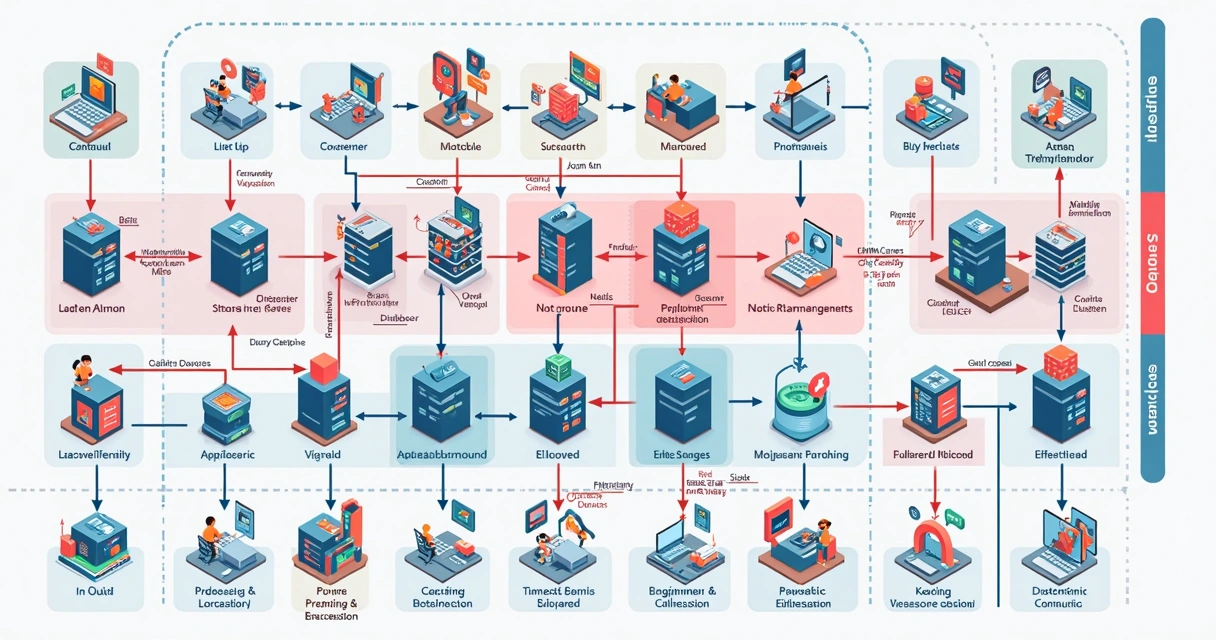
Each of these solutions was unique, tailored to the needs and constraints of the business. That’s what makes a custom solution so effective, not just copying patterns, but understanding when and why to use them.
Interviewing for problem solving, not just code knowledge
When I advise clients, I encourage them to go beyond coding ability. A few of my favorite ways to test real-world skill include:
- Ask the candidate to walk through a bug they fixed in production and explain how they diagnosed it.
- Set a scenario (“How would you prevent downtime during an upgrade?”) and look for their process, not just the tools they name.
- Have candidates suggest ways they’d cut costs on hosting or boost reliability for millions of daily users.
It’s these kinds of questions that uncover technical maturity and strategic thinking. The best developers turn constraints into opportunities.
How to work with developers: contracts, communication, and project flow
This stage will define your project’s trajectory. If you want the relationship to be smooth, be sure to:
- Set expectations up front for review cycles, deliverables, payment timelines, and what qualifies as completion.
- Use short phases: A brief discovery and planning sprint, followed by milestones with regular check-ins. This “agile” approach prevents surprises.
- Agree on communication channels, email, project board, messengers, and frequency.
- Discuss metrics for success: Is it lower latency, stable traffic at 10x growth, or something else?
Successful apps are built on clear agreements and healthy collaboration. I always recommend revisiting and revising contracts as the project pivots or grows, flexibility is key to scaling.
Maintaining and growing: post-launch support matters
Finishing a project doesn’t mean the work ends. The best talent provides:
- Documentation and handoff: Everything from README files to “runbooks” for setting up dev, staging, and production environments.
- Monitoring and alerting: Setup for application performance, error reporting, and uptime, plus regular reviews after launch.
- Knowledge transfer: Training internal teams or providing ongoing support through retainer agreements.
- Iterative improvement: As your product grows and market shifts, continuous feature development and infrastructure upgrades keep you ahead.
I prioritize lasting relationships with clients, not just one-off deliveries. Maintenance is not an afterthought, it’s your insurance policy against disruption as you scale up.
The real reason custom talent outperforms generic solutions
I’m often asked, “Why not just use a turnkey tool or pre-built plug-in?” The short answer: Every business is unique. The more you rely on talent that tailors solutions to your actual needs, the better your technology will serve you as you scale. Cookie-cutter code may get you started, but it rarely gets you to the summit. I believe talented, experienced developers are your biggest asset.
Software built for your goals goes further, lasts longer, and grows with you.
Conclusion: why investing in the right PHP and JavaScript experts pays off
Finding and hiring professionals who deeply understand PHP, JavaScript, and scalable architectures is more than just a resource choice, it’s a foundation for future success. I’ve worked across continents, industries, and business models, and the principle is always the same: invest in transparent, communicative, skilled people, and your software will reflect that commitment.
If you’re serious about building web applications that handle growth, complexity, and innovation, consider working with specialists who don’t just code but engineer for your goals. My practice, as Adriano Junior, is built around helping clients do just that. I encourage you to get in touch and discover how custom solutions can make your next project a standout success.
Frequently asked questions
How do I hire skilled PHP developers?
The surest path is to check for proven experience working with modern PHP frameworks (like Laravel), solid understanding of security practices, and sample projects built for performance and scalability. Ask for portfolio links, technical tests, and to describe prior large-scale solutions. Referrals from trusted networks, transparent communication, and an initial small-scope trial build confidence.
Where can I find top JavaScript freelancers?
The best JavaScript freelancers often come recommended through professional networks, open-source contributions, or platforms focused on tech talent. Check open portfolios, GitHub profiles, and seek those with expertise in frameworks relevant to your stack (React, Node.js, Vue). Paid trial projects and reviewing their code for maintainability are powerful selection tools.
What skills should a PHP developer have?
Modern PHP developers need strong skills in at least one major framework (Laravel is a favorite for scalability), understanding of relational and NoSQL databases, and experience integrating APIs. Security knowledge, cloud deployment experience, and effective communication round out a truly skilled developer.
How much does it cost to hire JavaScript developers?
Rates for JavaScript developers vary based on region, experience, and project complexity, typically ranging from $25 to $150 per hour for freelancers. Full-time, in-house roles or managed teams may come at higher overall expense but add value through continuity. It’s best to start with a pilot project to assess fit and scale your budget as the team proves its value.
Is it better to hire freelancers or agencies?
Freelancers offer flexibility, cost savings, and direct communication, which I personally provide as Adriano Junior. Agencies sometimes offer broader resources and can manage complex multi-skill projects but at greater cost and possible communication overhead. Choose freelancers if you need focused expertise or want more control, and agencies if you prefer a more hands-off, managed approach.