If you’re eyeing online growth, you probably hear about WordPress and WooCommerce almost daily. Honestly, I get it—the combination has set a pace in e-commerce that others struggle to match. In this guide, I am opening the door to WooCommerce website development as I see it each day: part art, part code, part puzzle. Across more than 16 years working with PHP, JavaScript, and cloud setups, I have shaped online stores at every stage, from basic launches to highly customized marketplaces loaded with automation, AI, and integrations. You, as a potential business owner or digital nomad, need results, not just pretty themes. So, grab a coffee, and step with me through the essential, very real process of making an online store that outpaces competitors without ever losing its unique spark.
Why WooCommerce? Understanding the advantages
If you’re not sure yet why WooCommerce is recommended for so many businesses, let me break it down with my viewpoint. I have tried other big names—Shopify, Magento, BigCommerce—some have their merits, but none offer the creative flexibility or blend with WordPress like WooCommerce does. For solo founders or scaling teams, this translates into two powerful realities:
- Full control over every detail: layouts, products, fees, automations, you name it
- No recurring commissions based on your sales—your money stays yours
WooCommerce turns WordPress into a sales engine. If you already know WordPress, you’re halfway home. The base plugin is free, open-source, and widely supported. With a massive library of add-ons, nearly any feature can be brought in with a few clicks or a custom build (my specialty). And as pointed out in the U.S. Census Bureau’s E-Commerce Statistics, online sales are capturing massive market share. Businesses unable to sell online or control their own destiny are missing out on serious revenue and reach.
E-commerce demand: what data tells us
Sometimes, I talk to founders who still wonder if investing in their own store is overkill compared to just using a marketplace or social media. Consider the numbers: about 8% of consumer spending was already digital back in 2017, delivering an extra $1,000 in yearly value per average household, according to the Stanford Institute for Economic Policy Research. Manufacturing, retail, and even B2B companies found that a double-digit percentage of their business comes from online channels every year, as the Department of Commerce 2022 Manufacturing E-Commerce Statistics suggests. If there’s ever a right time to build a custom, scalable online store, it’s now.
Flexible shops win markets.
Planning your custom WooCommerce solution
Every successful project I have led (see my portfolio) begins with careful planning—not just technical, but business-focused decisions. Before rushing into design or development, I always walk my clients through questions that clarify their vision, goals, and requirements.
Gathering requirements: who, what, and why?
Skipping this step leads to expensive pivots later. I usually begin with these steps:
- Define your audience and value: Who are you selling to? What problem does your product or service solve? How do your offerings stand out?
- List core requirements: What product types will you sell (physical, digital, subscriptions)? Shipping scenarios? Taxes? Multi-language or international needs?
- Content inventory: How many products, categories, blog posts, landing pages?
- Growth plan: Are you launching lean or do you expect heavy scaling within a year?
I prefer spreadsheets and user stories over vague promises ("we want to sell everything to everyone!"). The more specific you are, the smoother your WooCommerce development journey will be. If you want to see what this looks like in practice, my article about frameworks for web and scalable business solutions offers practical tips on how to approach requirements at each project stage.
You can’t aim for everything. Choose your focus.
Competitor research: knowing what to beat
I do scan competitors, but only as a benchmark. My goal is to improve on what’s out there, not just copy features. In my experience, the most successful WooCommerce shops combine:
- Unique value proposition and branding
- Smoother checkout flows
- Flexible product types (bundles, upsells, subscriptions)
I also look for pain points: poor mobile design, slow load times, or confusing navigation. If a rival’s store stumbles here, that’s our chance to shine brighter.
Wireframing and user experience design
Once requirements land, I always map site architecture, wireframe key pages, and (sometimes) sketch quick prototypes in Figma or even just on paper with you. In my view, a few clear wireframes save weeks of reworking designs later.
Site structure: must-have pages
- Homepage, clear and inviting
- Shop or catalog, allowing easy filters/search
- Individual product pages, optimized for descriptions, upsells, and trust
- Cart and checkout, as smooth as possible
- Account/dashboard
- Special pages: about, contact, FAQ, policies, blog
Building wireframes with your audience in mind
I adapt wireframes for your specific niche, whether you’re selling subscription-based AI services or artisan coffee. For example, a digital nomad founder needs mobile-first navigation and one-tap calls to action. A B2B SaaS might focus more on demo requests and resources. With my experience, especially for clients needing technical complexity and polish, I ensure the wireframes act as a contract for the initial scope.
Design decisions now prevent chaos later.
The right theme: foundation for custom WooCommerce development
The theme you choose sets the tone for your store’s appearance, speed, and code quality. I have worked with dozens of themes—from stripped-back starters to powerful commercial ones like Astra, OceanWP, and Kadence. In almost every project, I focus on these priorities:
- Performance: Lightweight, modular, and compatible with page builders if needed
- Customization: Options for modifying headers, footers, sidebars, product grids, and AJAX filtering
- Mobile-first support: Responsive by default and tested on multiple devices
- Minimal vendor lock-in. I avoid anything that turns updates into a “house of cards” problem.

If budget allows, I often build a child theme on top of something stable, inserting your unique branding and any advanced UX tricks you need. This strikes a balance: fast builds, easy maintenance, ultra-custom visuals.
Extending WooCommerce: plugin selection and custom development
This is where WooCommerce separates itself from SaaS e-commerce tools. WordPress alone has over 60,000 free plugins, while WooCommerce has hundreds of extensions to manage payment gateways, shipping, currencies, and automation. But, just stacking plugins can destroy speed and introduce unexpected bugs. Every plugin I add faces three questions:
- Is it maintained and secure with high ratings?
- Does it solve a real need or just “nice to have”?
- How does it impact performance?
Still, for anything mission-critical—custom checkout logic, specialized shipping rules, API integrations—I almost always recommend custom development over off-the-shelf tools. That might sound biased, but clients who came to me after plugin disasters tend to agree!
Rely on code you can control.
Custom plugins, built by someone who knows PHP, JavaScript, and WooCommerce internals (like myself), allow full integration with third-party services, payment apps, or even AI-driven recommendations tailored for individual shoppers. See more on how I approach this in my tips on API integrations for modern systems.
Popular plugin categories (my working shortlist):
- Payment gateways (Stripe, PayPal, local banks)
- Shipping calculators and carriers
- Email automation (Mailchimp, Sendinblue)
- Advanced SEO and schema builders
- Stock management and warehouses
- Custom product fields and file uploads

When a store’s needs exceed what plugins offer, I architect custom modules from scratch, wrapped in robust testing and careful documentation. This “custom, but maintainable” approach has always kept my clients ahead of competitors who rely on hard-to-update plugins.
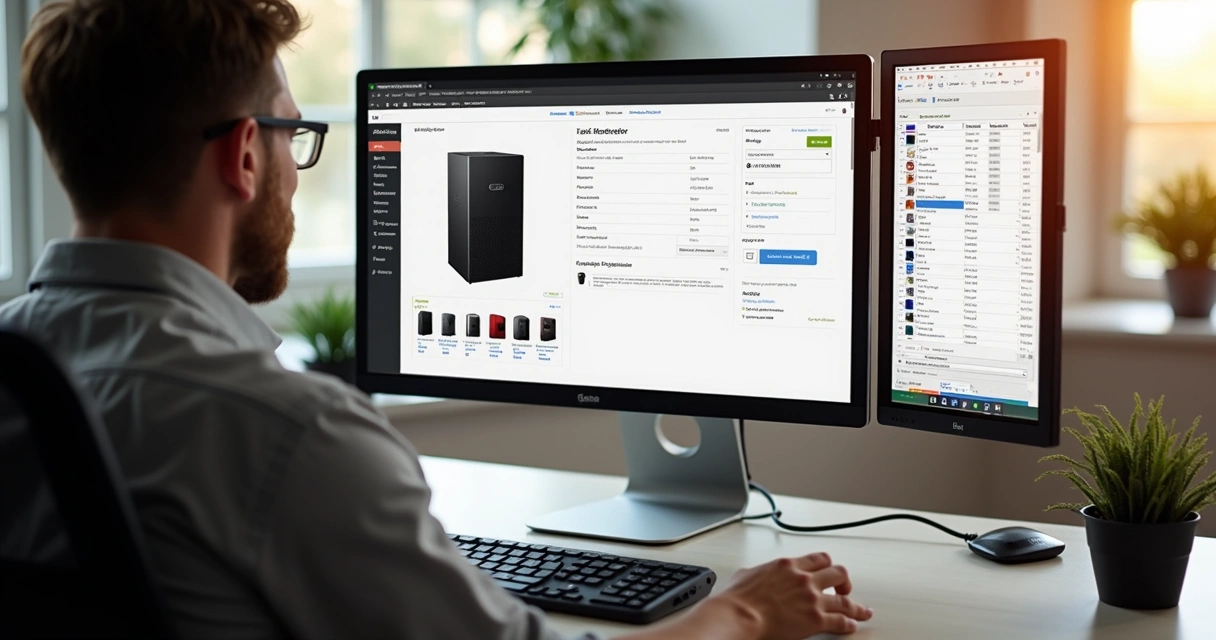
Setting up products, categories, and variable options
Once the site skeleton stands, we fill it with what really matters: your catalog. Here’s my workflow, tuned for tech startups and fast-growing brands but adaptable for any industry.
Organizing products effectively
- Create clear categories and subcategories for easy filtering
- Use tags and attributes (like size, color, type) for variable products
- Batch import data with CSVs or integration tools for large catalogs
- Test complex product options, like product bundles or subscription boxes
I always review product descriptions: they must answer buyer questions, highlight benefits, and include clear calls-to-action. Images should be compressed for web but crisp and detailed. Add multiple product shots and use video if possible.
Building a secure and scalable WooCommerce store
Security and scalability cannot be an afterthought. If a shop is hacked or fails at peak traffic, you won’t get a second chance. Here’s my routine (fine-tuned through countless launches and failures avoided):
Security essentials done right
- Choose quality hosting—preferably managed WordPress with firewalls
- Keep all components—WordPress core, plugins, themes—updated
- Use HTTPS, strong passwords, and two-factor authentication wherever possible
- Daily offsite backups, not just “on server” ones
- Limit admin accounts
- Run vulnerability scans after every major change
If you’re ever lost here, hiring someone with a DevOps background (like myself—this isn’t humble-brag, just fact) means these safeguards aren’t just “set up,” but regularly monitored and tested. More on this in my practical guide to key DevOps practices that speed up software delivery.

Scaling WooCommerce: How big can you go?
WooCommerce can handle surprisingly large catalogs and order volumes. I always plan for:
- Powerful, well-configured hosting with SSD drives
- Staging environments for testing
- Caching layers (object cache, full-page cache)
- Content Delivery Networks (CDNs) for global reach
- Database tuning for sites with 50,000+ products or heavy custom queries
- Load testing before promotions or seasonal spikes
Some “hosted” platforms promise this out-of-the-box. In my work, WooCommerce with managed hosting matches or beats them, but I get to keep all the keys. That level of control and flexibility is entirely in your favor.
Growth should never break your store.
Mobile-first and performance strategies
According to recent studies such as the U.S. Census Bureau’s working paper on e-commerce data collection, mobile usage in e-commerce is surging, outpacing desktop growth every year. I treat mobile layouts and performance like direct revenue drivers, not technical boxes to tick. In heads-up tests, even half-second delays can drop conversion rates dramatically. Here’s how I go about it:
- Mobile-first theme development—test on real devices
- Optimize image sizes by generating properly scaled thumbnails
- Defer non-essential scripts and plugins on mobile platforms
- Use AMP or progressive web app plugins if mobile sales dominate for your audience
- Compress CSS/JS and use HTTP2 for faster loading
- Monitor page speed using both GTMetrix and Google Lighthouse
If any of this feels overwhelming, that’s okay. My job is to translate tech jargon into sales and conversions. A sluggish site is a silent conversion killer. With the right approach, your WooCommerce setup will stay fast no matter how much you add.

Integrating payment gateways: making money safe and simple
Getting paid should be smooth—for you and for buyers. I work with every major gateway (Stripe, PayPal, Square), but also support local payment methods for clients around the globe. Even digital wallets and crypto can be integrated with enough custom code. My checklist is straightforward:
- Match gateways to your market location
- Setup secure, PCI-compliant connections (tokenization, no sensitive data stored onsite)
- Test refunds, subscriptions, and partial payments with real and sandbox data
- Integrate with accounting or ERP systems as needed
I prefer customizations that keep payment workflows fast, transparent, and always under your control. No forced fee hikes or platform lock-ins.
Automating with AI and custom workflow integrations
Thanks to advances in AI and cloud computing, I help clients go beyond “storefront” into smart automation. Some recent solutions I’ve built include:
- AI-driven product recommendations based on browsing/purchase patterns
- Automated email and chatbot customer support
- Inventory sync with Amazon or eBay
- Batch order processing and notification hooks with Slack or Teams
This is where a technical partner with experience in AI integration and DevOps automation truly pays off. Even solo shop owners can act like a major retailer with the right workflow automations.
A smart store works while you sleep.

Launching and testing: the go-live checklist
Every store I launch follows a strict launch list to avoid overlooked speed bumps:
- Cross-browser, cross-device QA (manually and automated)
- Run test transactions and order emails
- Proofread all copy and policies
- Confirm all critical backups are working and can be restored
- Set up monitoring for uptime, errors, and performance
- Submit sitemap and product feeds to Google and other search engines
I always like to time launches for quiet hours, with rollback plans in hand. If something goes sideways, your customers never see the mess, just the polished store when testing is finished.
Quiet launches beat midnight emergencies.
Should you DIY or hire a WooCommerce expert?
Here’s a question I get often: “Can I build this all by myself with tutorials and page builders?” If you already have web experience, launching a simple WooCommerce store is possible. But I’ve seen many projects go sideways as needs expand—slow sites, feature conflicts, or broken customizations. The trick is knowing where your strengths stop making sense, and calling for expert help before you spend more than you save:
- Out-of-the-box for hobby or test shops
- Professional help for scaling, automation, and long-term growth
I focus my freelance work on custom builds that solve real business needs with clean code, stress-tested security, and ongoing support. Unlike agencies that disappear after launch, my clients (often digital nomads or scaling SaaS founders) stick around for tweaks, integrations, and future visions. If you want ownership and technical reliability, hiring a specialist pays for itself over and over.

Real-world case studies: stores that scale
If you want proof, some of my proudest moments come from helping clients outgrow their initial expectations:
- Digital nomad selling online courses: Needed flexible payment gateways and multi-language content. Built a custom checkout with currency switches and language-aware sales. Today, they reach hundreds of buyers monthly across languages and platforms.
- AI-driven retail subscription box: Integrated advanced quiz logic and personal recommendations per customer. Store now runs on “autopilot” with AI-powered upsells driving repeat sales.
- Journalism marketplace for freelancers: Required dozens of custom modules for user roles, payment splitting, and workflow automation. Grew to host over 1000 sellers within 18 months, all on WooCommerce.
If you look back to the Library of Congress e-commerce research guide, you’ll see just how many shops have succeeded with customized e-commerce strategies. Those who stay nimble and commit to their edge—faster sites, smoother user journeys, robust automation—always pull further ahead. Just setting up a WooCommerce store is not enough. Tailoring, testing, and tuning the stack to match your market is what wins today.
Store success isn’t luck. It’s made of small choices done well.
Maintaining and growing your WooCommerce site
A WooCommerce store is never “done.” Here’s my schedule for clients who want fast, reliable, profitable results after launch:
- Weekly plugin updates and site checkups
- Regular security scans and performance tests
- Analysis of sales and visitor data for conversion opportunities
- Fresh content: new blog posts, updated product images, and new reviews
- Quarterly audits on scalability: Is hosting still right? Are custom features aging?
- A/B testing for landing pages and checkout flows when sales slow
I build sites so you can maintain simple updates alone, but always offer support for tricky upgrades, migrations, or adding completely new features. Staying proactive keeps you competitive, and lets you pivot quickly if the market shifts. Small improvements, stacked up, push you far beyond average competitors who “set and forget.”
Conclusion: Building e-commerce for the future
As an independent developer who lives and breathes WooCommerce projects, I have watched this platform empower small business owners, remote founders, and growing brands to beat the odds daily. If you want long-term flexibility, self-ownership, and the ability to evolve—from simple shop to AI-powered powerhouse—WooCommerce is where you should start. Simple setups may get you online for less, but tailored builds are what drive lasting sales and expansion. When you need someone to plan, code, automate, and keep your business flowing smoothly, that’s exactly what I deliver. If you want to see how I turn e-commerce goals into working systems, reach out via my full-stack solutions and consulting services—let’s create a store that’s set to grow as quickly as you dream it can.
Frequently asked questions
What is WooCommerce website development?
WooCommerce website development means building, customizing, and maintaining online stores using the WooCommerce plugin on WordPress. This process covers theme setup, plugin selection, payment integration, product catalog design, and automation workflows. Custom WooCommerce development often goes beyond standard features, adding tailored functions, advanced security, and integration with external systems. Whether you want a small store or large marketplace, this approach lets you control the entire customer journey and keep all sales data in your hands.
How to build a custom WooCommerce store?
To build a custom WooCommerce store, begin by carefully planning your goals, product range, and required features. Install WordPress and the WooCommerce plugin, choose a responsive theme, and set up your main pages (home, shop, product, cart, checkout, account). Next, configure shipping, tax, payments, and product categories. Use custom plugins or hire a developer for advanced needs like subscription models, quizzes, or API integrations. Finally, test everything across devices, secure the site, and launch with backups and analytics in place. Ongoing support is always recommended for growing sites.
Is WooCommerce good for small businesses?
Yes, WooCommerce is especially effective for small businesses wanting full control over their shop’s design, costs, and future updates. Because it is open-source, you don’t pay recurring sales commissions, and you can add only the features you need. With thousands of plugins and a large community, support is easy to find. Many of my clients have started as solo founders or small teams, then grown into larger brands with no platform change required. WooCommerce scales with you, not against you.
How much does WooCommerce development cost?
The cost of WooCommerce development varies depending on how much customization, design, and functionality you need. A basic store using only free plugins and a standard theme can cost very little—sometimes just the price of a domain and hosting. Custom themes, advanced integrations, or ongoing support (like my freelance services) will increase the investment, but usually pay for themselves by saving time and unlocking better results. Most growing brands find that hiring a pro is cheaper in the long run than trying to fix issues after launch.
What are the best WooCommerce plugins?
The best WooCommerce plugins match your store’s unique needs and support reliable, fast, and secure sales. Popular categories include payment gateways (Stripe, PayPal), shipping calculators, email and marketing automation (Mailchimp), SEO tools (Yoast), and custom product fields. For most situations, I recommend using only the plugins you need, and favoring custom builds for anything customer-facing or revenue-critical. Always choose plugins with recent updates, high user ratings, and active support forums.