
If you are considering custom software, planning a SaaS project, or growing your digital business, the path to hire a web application developer can feel uncertain. I have spent almost two decades building scalable solutions for clients as a Senior Software Engineer, and over that time, I learned not only what technical skills matter, but also why good communication, a structured hiring process, and clear expectations are fundamental for your success. In this article, I will walk you through how to identify, assess, and onboard talented web specialists (whether for front-end, back-end, or full-stack roles), shed light on critical skills, and share why a tailored approach can offer a solid advantage. I will also highlight strategies for hiring freelancers and remote professionals, rooted in the way I serve clients as a digital nomad and consultant.
Great digital products depend on hiring the right people from the very start.
My aim is to make your search for a web developer practical and informed, helping you confidently connect with professionals who convert ideas into robust, scalable applications. Along the way, I’ll reference my journey with clients as Adriano Junior—and include links to additional reading and resources you’ll find useful.
Why finding the right developer shapes your project’s future
From my experience, who you choose as your developer influences everything: the quality of your code, your project’s ability to grow, and how easy it is to adapt to new needs. Whether your project is a business dashboard, SaaS product, e-commerce platform, or AI-powered solution, one thing is clear: selecting a skilled developer is the foundation of project success and long-term security.
The need for web application developers is mounting. According to research highlighted by Southern New Hampshire University, the demand for web development professionals is expected to rise 8–9% by 2033, especially as industries like finance, ecommerce, and advertising turn to digital tools for growth.
Because the right professional helps you navigate not just code, but also technical decisions and user experience, understanding what to look for as you hire is the single best investment you can make early on.
Understanding the core roles: Front-end, back-end, and full-stack
Before diving into the practical steps of hiring, it helps to distinguish what types of expertise exist. A “web developer” can mean different things. Each category brings a specific mix of skills and focus, and your choice will shape your outcome.
Front-end developers: The masters of user experience
I have seen, in project after project, how front-end experts focus on the parts of a web app your clients see and interact with directly. These professionals convert designs into pixel-perfect pages, ensure a smooth, mobile-friendly experience, and optimize everything for performance. Core skills and technologies typically include:
- HTML5, CSS3, JavaScript (ES6+)
- Frameworks like React, Angular, Vue.js
- Accessibility (WCAG compliance) and responsive design
- Performance optimization (site speed, image handling)
- Browser compatibility troubleshooting
They often work with designers but need strong technical skills to make layouts interactive and modern. In my own work, I’ve found the best front-end developers balance creativity and code.
Back-end specialists: The architects of logic and data
If the front-end is the tip of the iceberg, the back-end is everything underneath. Back-end professionals build and maintain the core logic, databases, and APIs that process information and keep your system running. When I join a new project as a back-end consultant, my focus typically includes:
- Server-side languages like PHP, Python, Node.js, Ruby, Java
- Databases (MySQL, PostgreSQL, MongoDB, etc.)
- API development (REST, GraphQL)
- AWS, Google Cloud, or Azure for infrastructure
- Security, authentication, and data integrity
Back-end developers keep your platform secure, reliable, and capable of handling real-world loads.
Full-stack developers: Bridging both worlds
Many clients want someone with a 360-degree view—a full-stack developer can deliver both user-facing features and server-side logic. In smaller projects, I often work in this way, moving from the database layer up to the JavaScript powering the interface. Key knowledge areas for a full-stack expert:
- All front-end and back-end technologies mentioned above
- CI/CD (Continuous Integration/Continuous Deployment)
- DevOps skills (Docker, AWS, infrastructure as code)
- Deployment and scaling strategies
A full-stack professional is an all-rounder, able to chart your system’s architecture and jump in wherever needed. This versatility can save you significant time and budget, especially in the early stages of product development. For more information on hiring this type of specialist, you can check my full breakdown on how to hire a full-stack web developer.
Key skills for a web application developer: What to look for
Over the years, the list of technologies and trends changes, but core abilities remain steady. I always advise clients to assess a blend of technical and personal attributes when hiring. Here are the most valuable abilities I look for—as both a provider and evaluator:
- Proficiency in core programming languages. For web apps, PHP, JavaScript (and frameworks like React or Node.js), Python, or Ruby are some common options.
- Experience with database design and management. Knowing how to organize, optimize, and secure your data using tools like MySQL or MongoDB is non-negotiable.
- API integration and creation skills. Modern applications connect with dozens of third-party tools. A great developer understands RESTful API design, GraphQL, and how to consume external services.
- Cloud and DevOps know-how. Familiarity with AWS, Docker, CI/CD, and automated deployments is what sets apart developers ready for scaling and rapid iteration.
- Security awareness. Writing secure code, ensuring user data privacy, and following best practices around authentication and authorization are necessary protections.
- Problem-solving and debugging. I put real value on developers who can break down issues methodically, find bugs quickly, and suggest pragmatic solutions.
- Communication and collaboration. No technical skill can replace clear updates, asking questions early, or documenting choices. In client work, this is what builds trust.
Technical skills open the door, but good communication delivers the project.
I cover this skill set and more in my guide for those evaluating high-level talent: see skills to assess when hiring a senior freelance web developer.
When should you look for a freelance or remote developer?
The rise of distributed teams has changed how businesses approach hiring. I have experienced firsthand the benefits of remote work: wider access to specialized skills and more flexible options for project-based needs. Based on my journey as a digital nomad and my work style, here are the main situations where hiring a remote or freelance developer makes sense:
- Your project has a clear scope and a well-defined deadline.
- You need support for a specific skill set or short-term consultation.
- Your business wants to scale up or prototype without a permanent employment commitment.
- You want access to global talent, often at more varied rates.
Freelance and remote developers can ramp up quickly and bring new perspectives. As Adriano Junior, I prioritize transparency, regular updates, and alignment with clients’ time zones and business cultures, which are essential for building lasting partnerships.
Hiring process: A step-by-step approach to recruiting your web app developer
After years of working with startups, enterprises, and solo entrepreneurs, I have developed—and refined—a proven hiring process. If you want to improve your next hire, consider these step-by-step phases.
Step 1: Define your needs and project requirements
To avoid wasted time and mismatched expectations later, outline these components upfront:
- Project summary and business goals
- Core features and user flows you need
- Budget, timeline, and key milestones
- Preferred technology stack, if any (such as PHP + React, Node.js + Vue, etc.)
- Type of developer (front-end, back-end, full-stack)
The more specific you are at this stage, the higher your chances of attracting professionals who are a true match for your web build.
Step 2: Draft a clear, results-focused job description
As someone who has applied for and reviewed hundreds of job postings, I’ve noticed the best ones do a few things well. A strong job description:
- States what problem the developer will solve
- Lists “must-have” and “nice-to-have” skills
- Describes your work environment (remote, on-site, hybrid, async communication, etc.)
- Mentions the size of the team and reporting structure
- Shares how success is measured (project deadlines, KPIs, code quality metrics, etc.)
A good job post weeds out unqualified applicants and attracts the talent who will engage with your company’s mission.
Step 3: Review applications and assess technology stack fit
The next phase is to screen candidates based on their resumes, portfolios, and initial interactions. What I pay the most attention to:
- Relevant experience building similar web applications or platforms
- Examples of public code or demos (like GitHub repositories, CodePen, or links to live projects)
- Context on problem-solving approach in case studies or project summaries
- Communication style in cover letters or emails
- Alignment between your preferred stack (e.g., JavaScript, PHP, AWS) and their expertise
I always recommend clients go past buzzwords—ask candidates how they used each technology, and what challenges they solved with it. That tells you what’s behind the bullet points.
Step 4: Structure interviews for skill and culture fit
This part of the process can make or break a hire’s success. Over time, I have become an advocate of a multi-phase interview:
- Initial conversation. A 30-minute call focused on project interests, communication preferences, and expectations.
- Technical assessment. For practical skills, I prefer real-world tasks (like debugging code or planning a feature) over standard quizzes or puzzles. I have a comprehensive set of questions to ask developers before hiring, to gauge practical knowledge on APIs, security, and system design.
- Cultural alignment. If your company values autonomy, adaptability, or a specific set of working hours, make sure this is discussed.
Assessing cultural fit avoids friction and ensures a healthy, productive working relationship from the outset.
Step 5: Check references and past work
As a freelancer, I let my record do the talking—this is the phase where references, reviews, and detailed past projects offer proof of consistency and follow-through. Ask questions like:
- Did the developer deliver on time and within budget?
- How was their responsiveness and commitment?
- Were there hurdles, and how were they handled?
You can learn a lot about how someone will communicate and manage the unexpected just by asking clients from previous projects.
Step 6: Agree on project terms and kick off
This last step is about clarity. Ensure all parties know the deliverables, payment schedule, timelines, and intellectual property arrangements. A kick-off call and a shared project tracker or communication tool keep everyone in sync.
Evaluating developers: How to spot the right match
The process of evaluating developers can feel daunting, but I use a blend of practical tests and personal impression. Here are the specifics I advise clients to focus on:
- Technical assessment: Give candidates a small, actual challenge from your project (such as a feature specification, bug fix, or a data migration). Someone experienced will break down the task, ask clarifying questions, and deliver a neat solution.
- Portfolio and code samples: Ask to see publicly visible work. For instance, my clients regularly review previous builds or walkthroughs. Authentic samples show you how a developer approaches structuring software, reusable components, and error handling.
- Communication: Seek regular, clear updates during any trial period. How often do they check in, ask for feedback, or flag concerns? This is a reliable preview of your working relationship.
- References or client testimonials: Even a freelancer with a shorter career will have feedback to share. Look for comments on reliability, solution-orientation, and willingness to go the extra mile.
The right developer will offer solutions, not just code. If you ask them about a hypothetical feature or scaling issue, a top candidate will anticipate risks and propose pragmatic ideas—not just say “yes” or “no.”
Technical skills: PHP, JavaScript, AWS and beyond
I am often asked which “tech stack” is best. The truth is, it depends on your goals, users, and system requirements. Still, a few technologies do stand out.
- PHP: Common in web platforms and large-scale CMS solutions. Developers should follow best practices for performance and security (for example, using Laravel or Symfony for structure).
- JavaScript and JS Frameworks: Foundational in modern web applications. Fluency in React, Vue, Angular, or Svelte can set a candidate apart.
- AWS and cloud services: The ability to configure scalable, secure deployments with AWS, DigitalOcean, or Google Cloud is a must for bigger projects or SaaS tools.
- Version control: Familiarity with Git ensures clean collaboration.
Even if you are not technical, you can ask clear questions based on technology needs. I went deeper into how to vet front-end and full-stack skills in my guide to hiring the right front-end expert, which can help you navigate those conversations.
Key soft skills: Communication, independence, and adaptability
Technical ability can be learned, but traits like attention to detail, self-management, and communication make a lasting impact. Over my career, I always prioritize these “non-coding” skills:
- Clear, concise communication: A developer should give you frequent status updates, report risks early, and make options easy to understand regardless of your tech background.
- Problem-solving attitude: Look for questions, not excuses. If someone tells you all tech decisions are “simple,” dig deeper.
- Continuous learning: The web moves quickly. Developers passionate about new tools, testing methods, or refactoring code for efficiency will keep your project up to date.
- Autonomy and time management: Especially for remote roles, candidates should know how to organize work, balance competing requests, and signal when they need clarifications—not wait until a deadline passes.
People skills do more for your project than you might ever expect.
I have seen small teams with outstanding communicators outperform much larger, but less connected, engineering groups.
Types of projects a web developer can deliver for you
Clients often ask what kinds of platforms or tools I build. Over the years, I’ve worked on a wide variety of web-based applications—each with its own demands for technical depth and creative thinking. Here are some popular types:
- SaaS platforms: Subscription-based tools need robust user authentication, billing, and integrations.
- E-commerce stores: Secure checkout, payment gateways, inventory management, and responsive design are central.
- AI-driven applications: Automation, personalization, and chatbots for both B2B and B2C audiences. My clients often want to connect APIs or bring in machine learning features.
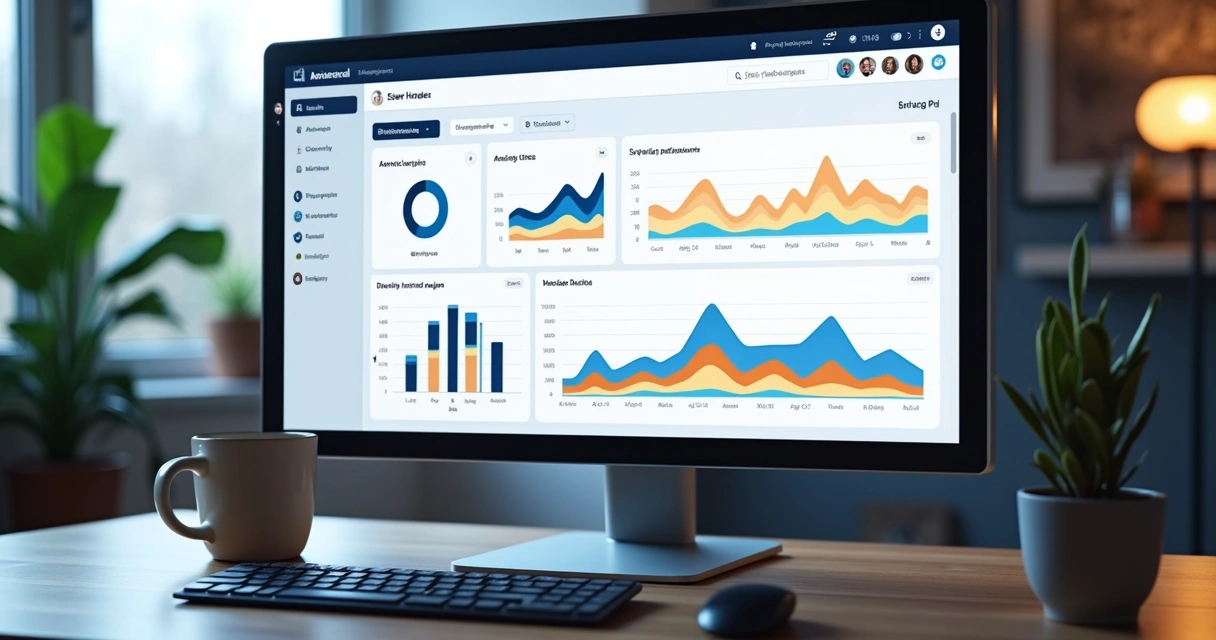
- Custom dashboards: Data visualization, analytics panels, and back-office tools.
- API-first systems: Building secure services that interact with other software or mobile apps.
If you are seeking inspiration or want input on a project not listed above, I am happy to share examples from my portfolio as Adriano Junior. Custom builds always start with the end user and business goal in mind.
Engagement models: Choosing the right cooperation style
I want my clients to understand there are various ways to “hire” a developer—and each fits different business needs. Here are the most common engagement types I see working well:
- Project-based agreements: You pay for a defined project, milestone by milestone, from start to finish.
- Dedicated developer placements: For ongoing work, a freelancer dedicates a fixed number of hours per week or month, acting as a true extension of your team.
- Consulting or audit services: Get insight on architecture, system health, or best practices before committing to larger builds or migrations.
When working with me as Adriano Junior, I offer all three, tailoring my involvement to project size, complexity, and your preferred workflow. This flexibility is one of the main advantages of hiring an independent expert.
Pick the engagement style that fits your business, not the other way around.
Custom web solutions: Why a tailored approach is often best
As the web matures, businesses have choices: “off-the-shelf” products versus bespoke solutions. In most of my work, the decision leans toward custom builds—and for good reason.
- Security and compliance: Sensitive data demands custom handling. I design to minimize risk and satisfy both compliance and internal policy needs.
- Scalability: Every product will, ideally, have more users over time. Custom solutions let you add features, integrate new APIs, and tune performance without starting over.
- API-first integrations: Connecting to CRM, ERP, or payment systems is smoother when built from scratch, ensuring seamless data flow.
- Unique branding and UX: Templates force you into constraints. Custom development lets your business shine through a personalized look and feel.
There is nothing quite as satisfying for clients as seeing a solution shaped exactly to their market and growth targets. Custom development maximizes both control and creativity.
Top tips for hiring a freelance or remote developer
Clients reach out to me at many different project stages, sometimes for a new build, sometimes when they have hit a wall. Based on this, here are practical suggestions if you are new to hiring freelancers or remote experts:
- Look for transparency: Ask how progress will be tracked, reported, and delivered. Developers should set expectations for weekly or bi-weekly demos, not just “final handoff.”
- Prioritize asynchronous communication skills: Because you may be in different time zones, you want someone comfortable with detailed written updates, not just calls.
- Insist on documentation: For future maintenance, technical documentation and process notes are critical. I always provide these—your hire should too.
- Agree on tools early: Whether you use Slack, Trello, Jira, or simple email, define how you will collaborate from the start.
I have detailed further steps for hiring in my freelance web developer hiring guide for those who want to go deeper in the process.

Where to find skilled web application developers?
If you already know what type of web expertise you need, there are several ways to connect with strong candidates. As an independent professional, I find new clients through:
- Personal referrals or networks
- Industry groups, meetups, and conferences
- Freelance platforms and specialized talent marketplaces
- LinkedIn and developer communities
I recommend looking for signs of steady involvement in the web development world—such as open-source contributions, certifications, or thought leadership. These are good validation points, especially when hiring remotely.
How to structure an interview and technical assessment
Once you have narrowed your list, designing your evaluation the right way makes all the difference. Here is how I suggest structuring your assessment, shaped by what leads to reliable long-term partnerships:
Opening questions: Focus on motivation and approach
Often, I begin interviews with context—why the developer loves their stack, their favorite project, or what keeps them learning in this field. You want to see enthusiasm as well as depth of experience.
Technical task: Simulate a real-world challenge
Assign a practical exercise related to your needs. For instance:
- A small feature specification (build a simple form, get data from an API, etc.)
- A bug scenario (identify and fix an issue in a code sample)
- A code review (give feedback on a provided pull request)
Even if the exercise is small, candidates should outline their process, document edge cases, and think aloud as they solve problems.

Soft skills check: Collaboration and curiosity
Discuss situations from the candidate’s past projects, such as:
- Handling feedback or changing requirements
- Communicating blockers or delays
- Learning a new technology or skill on the fly
You want to be sure the person will be resourceful, open to feedback, and proactive with updates.
Final step: Alignment and expectations
This is where I outline how I prefer to work, what clients can expect at different phases, and how issues are resolved. The right developer for you should offer a similar transparent summary.
Examples from my project experience
As Adriano Junior, I have taken on projects anywhere from rapid MVPs to AI-powered dashboards. Some notable sample outcomes include:
- Building a learning management system for an education startup: Created a secure, scalable platform for video courses, user analytics, and payment integration.
- Custom e-commerce store overhaul for a fashion brand: Modernized front-end with React, set up secure checkout/payment processes, and improved inventory management through a bespoke admin dashboard.
- API-first CRM integration: Enabled real-time data sync between client platforms and major CRM providers using REST and GraphQL endpoints.
- Infrastructure consulting for SaaS startup: Designed AWS cloud architecture to allow automatic scaling, optimized cost, and resilient uptime for global users.
Projects succeed when you match business goals to technical strength and proactive communication.
If your project is unique in scope or technology stack, I am happy to discuss specific details and propose a phased hiring or proof-of-concept approach to help you get started.

Conclusion: Your path to hiring the right developer
After working with teams of all sizes, I am convinced that the web’s greatest innovations begin with solid relationships between visionary businesses and skilled, proactive developers. Whether you are seeking a freelancer, full-stack specialist, or dedicated consultant, the steps you take before hiring are just as meaningful as the code itself. Defining your goals, drafting thoughtful job descriptions, checking for both technical prowess and the human side of collaboration, and being open to custom solutions will set your project apart.
If you are searching for a partner to bring modern, scalable, and secure applications to life—or just want to ask what might be possible with your next digital idea—I invite you to reach out and discuss your vision. As Adriano Junior, my services are geared to build not just strong code, but lasting client results. Your next project’s success starts with the conversation you have today.
Frequently asked questions
What does a web application developer do?
A web developer builds and maintains software applications that run in your browser, handle data, and interact with users and external systems. This role can focus on building user interfaces (front-end), designing databases and back-end logic, or managing both as a full-stack expert. Projects can range from e-commerce sites and dashboards to complex SaaS platforms and AI-powered tools.
How do I hire the right developer?
Hiring the right developer starts with outlining your project’s needs, preferred technology stack, and clear deliverables. Screening for past experience, practical skills, and communication style is as important as the technical interview. Reference checks, reviewing code samples, and confirming alignment on expectations close the process. You will find detailed steps in my freelance hiring guide.
Where can I find skilled web app developers?
Skilled web developers can be found via industry networks, online communities, and specialized freelance platforms. Many, like myself, offer services directly to businesses. Look for professionals who share portfolios, have strong references, and are active in their field.
How much does hiring a web developer cost?
The cost varies with scope, complexity, technology stack, and the developer’s experience. Freelancers and remote specialists often offer flexible hourly or project-based rates. Discuss your needs openly to set a transparent budget, and don’t be afraid to start with a small, defined test project to assess value and fit.
What skills should my developer have?
Your developer should combine technical fluency (in languages like PHP, JavaScript, and cloud services) with strong communication, attention to detail, and a track record of delivering projects like yours. The best hires also adapt quickly to new tools and align with your business’s culture and workflow.