
Building software that scales smoothly, stays quick, and adapts to change has never been more important. In my experience working as a Senior Software Engineer and digital nomad over 16 years, I’ve seen first-hand how an expert approach to Laravel solutions can unlock real business results. This guide pulls back the curtain on Laravel development consulting services, explains what’s involved, and helps you decide if your project deserves more than generic agency support.
Understanding Laravel development consulting
Many business owners ask me, “What does consulting for Laravel development actually cover?” I always answer:
Strong advice, sharp code, and decisions lined up with your growth.
Laravel consulting is about much more than solving a few bugs or launching a standard feature. As someone who’s led projects in industries from SaaS to education, I help clients choose the best architecture, deliver solid code reviews, and future-proof web tools. This isn’t a plug-and-play service—it’s tailored guidance applied throughout your software’s lifecycle.
Studies from the University of Washington’s College of Engineering emphasize how widely-supported frameworks like Laravel have become the backbone for flexible and maintainable applications used even in high-stakes research settings. Drawing from real-world scenarios, I see the same: a smart strategy at the start and ongoing support keep your tech moving fast, stable, and secure.
If you want examples of my work and deeper detail, you might enjoy reading my thoughts on how a software development consultant delivers strategic impact or custom Laravel solutions built for scale.
Why architecture review matters
In every consulting engagement, the first thing I check is the technical foundation of your application. The “architecture” is the blueprint that dictates how your modules talk, how data flows, and how easy it is to grow or change features down the line.
A proper architecture review can highlight hidden risks that slow down releases or make scaling tricky. I break this into:
- Analyzing your data structures and relationships
- Studying how dependencies are managed
- Pinpointing tight couplings and possible bottlenecks
- Checking for cloud-readiness (AWS, Google Cloud integrations, etc.)
Sometimes, I find that companies have patched together fixes that only solve surface issues. My goal as a Laravel advisor is always to map out clear, scalable patterns that also match your business direction—not just today, but one or even five years from now.
The power of code quality assessment
It surprises me how often businesses underestimate code reviews. You can have a beautiful interface, but if the code is messy, technical debt creeps up quietly. During my sessions, I:
- Hunt for repeated code (bad smells and copy-paste shortcuts)
- Focus on security practices, naming, and documentation
- Check adherence to Laravel’s best standards and community-driven patterns
- Propose improvements for tests and deployment scripts
Good code makes new features cheaper and faster to add later. A polished codebase especially supports ongoing digital transformation, as I’ve discussed in guides like building modern scalable Laravel apps.
How to ensure your app stays fast
I get many clients asking why their app’s speed drops during traffic spikes. My answer always involves looking at queries, caching, and deployment flows. I run profiling tools, monitor server stats, and test API response times.
- Review database indexes and query patterns
- Implement caching with Redis or Memcached
- Analyze possible PHP or Laravel bottlenecks
- Set up managed cloud delivery (AWS ECS, S3, serverless functions, etc.)
This is not just technical nit-picking. A few tweaks can mean the difference between happy users and lost revenue. Faster pages also boost SEO ranking, giving you an edge over slower competitors—especially those who neglect tuning at this level of detail.

Migrating legacy systems to Laravel
Transforming an old PHP or proprietary system into a robust Laravel app can seem risky, but with the right plan, it’s both safe and rewarding. I usually recommend a four-step process:
- Audit: Assess current features, third-party APIs, and database schemas
- Map: Plan which modules should be rebuilt, kept, or replaced
- Bridge: Create scripts to sync or convert data, so you don’t lose records
- Shift: Launch Laravel in parallel, allowing gradual rollout so users adapt smoothly
Cloud transition is often part of this. Clients ask if cloud services matter—my answer is yes. Laravel paired with AWS or similar not only improves stability but also makes scaling to global users far simpler. For a concrete look at how this unfolds, you can read about DevOps strategies for scalable delivery and how they connect with Laravel.
Custom web apps, API integration, and security
Every business has its own secret sauce. That often means needing custom modules, linking up with outside services, or automating workflows. Here’s how I fit these into a typical Laravel consultancy:
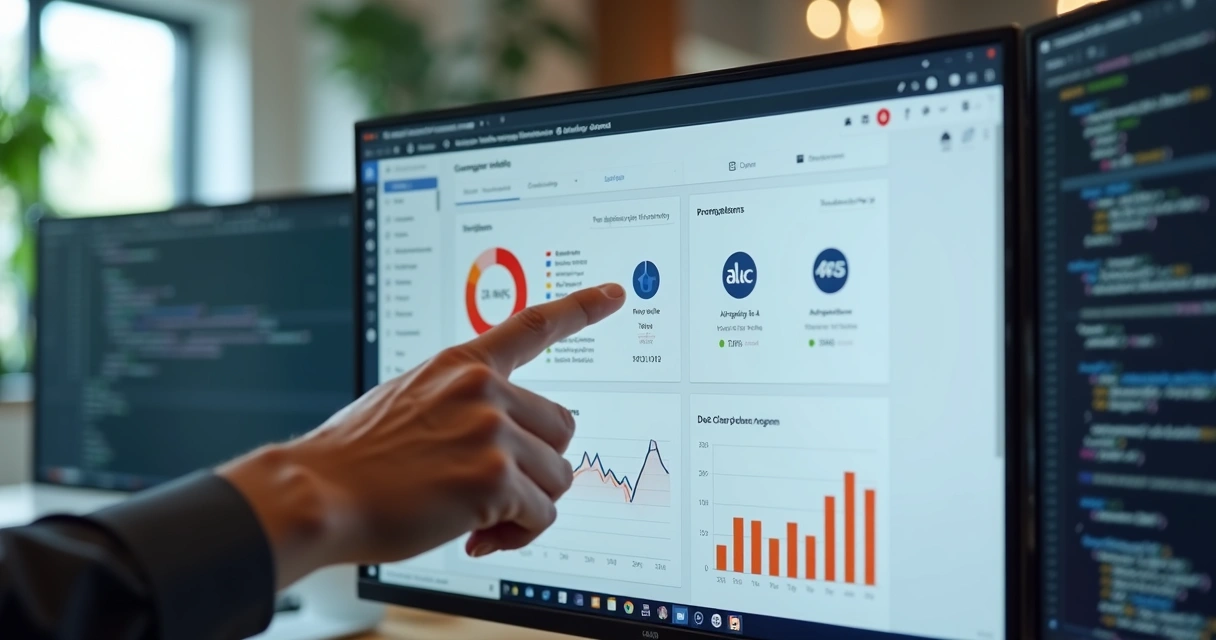
- Designing custom dashboards, reports, and admin panels
- Integrating with third-party APIs for CRMs, payments, analytics, and more
- Running security audits to check for exposed data, unpatched dependencies, and role management issues
- Setting scheduled scans and vulnerability alerts for long-term safety
Integration is not just “plugging” things. It’s making sure your tools talk and your data stays safe.
I’ve helped companies connect everything from legacy CRMs to AI chatbots and payment providers, always with the focus on speed and data privacy. My security-first approach is shaped by up-to-date threats and years spent handling tough compliance standards.
Keeping your growth on track: Continuous support
Businesses grow, ideas change, and your app needs to keep up without breaking a sweat. That’s why consulting doesn’t stop when a project goes live. I offer continued support, bug-fixing, and performance checks, so you don’t have to scramble when you want to launch a new campaign or expand to a new market.
In my work with scaling SaaS firms, I’ve seen again and again that ongoing feedback prevents big, costly rewrites down the line. Cloud-based monitoring, regular code audits, and proactive patching keep your app future-ready. These practices shape truly scalable solutions, discussed in-depth in my article on building scalable Laravel web solutions.
How does consulting fit into your business?
One of the key roles I take on as a Laravel consultant is lining up your technology with your business roadmap. Think of me as the translator between “what will convert users” and “what code will make that possible.”
- I help define priorities and translate big goals into sprint-ready tasks
- Balance features that delight users with budgets, delivery times, and risks
- Work with your team to train, document, and plan for future hires or onboarding
With companies facing tight timelines, the wrong approach can result in wasted money or months of delays. By working directly with an experienced freelancer like me—Adriano Junior—you skip the agency markup, gain clear accountability, and enjoy a partnership that adapts to your needs.
Some agencies might tempt you with large teams, but in my experience, smaller dedicated consulting provides more care, speed, and trust. Unlike agencies that split your focus among junior staff, my clients get my full attention from day one to launch (and beyond).
Actionable tips for hiring a Laravel expert
If you’re searching for a Laravel consultant, here’s how I recommend judging your options:
- Verify proven experience not only in Laravel, but in cloud and API-heavy modern projects
- Look for consultants who ask about your business—not just your tech stack
- Request recent case studies with visible business outcomes
- Be wary of “lowest price” offers; you usually pay later in technical debt or slowdowns
- Seek individuals or teams that support your chosen cloud providers and can adapt quickly when business needs pivot
If you want to know even more, you can always reach out directly through my site or check my deeper look at Laravel consultancy for custom scalable solutions.
Conclusion: Your app’s next step is one decision away
From reviewing architecture to guiding safe migrations, vigilant code audits, and custom integrations, Laravel-focused consulting can turn your web vision into a reliable, scaling business tool. My role is to give you the freedom to grow with confidence. Compared to large, process-heavy providers or agencies who spread resources thin, working with a committed, experienced freelancer like myself means you always have a partner focused on your unique goals.
If your project demands software that grows as you do, feel free to contact me or review my portfolio. Let’s build the future of your digital business together.
Frequently asked questions
What is Laravel development consulting?
Laravel development consulting is a specialized service that guides businesses through the design, construction, and ongoing improvement of applications using the Laravel PHP framework. It covers everything from high-level system architecture choices and code reviews to integrating with outside APIs, security checks, and cloud readiness planning. The aim is to align technology choices with business growth, avoid roadblocks, and ensure your product is stable and ready for change.
How can consulting help my Laravel app?
A dedicated consultant identifies weaknesses that might keep your Laravel app from scaling, finds performance issues, upgrades code quality, and uncovers ways to save time on maintenance. This means fewer bugs, faster releases, and less risk as you grow. In addition, a skilled freelancer like me can tailor strategies and advice that generic agencies can’t provide, resulting in lower long-term costs and greater technical flexibility.
Is Laravel consulting worth the cost?
Absolutely—especially for businesses planning serious growth or digital transformation. The investment often pays for itself through faster delivery, fewer outages, and easier updates. Choosing someone experienced with cloud deployment, integrations, and continuous support (like me) makes the benefits even clearer and ensures money is spent on lasting results, not short-term patches.
Where to find top Laravel consultants?
Experienced Laravel consultants can be found via specialized freelance sites, industry forums, or through personal networks. For a direct, high-value partnership, I recommend researching consultants who offer both technical depth and proven project outcomes. My own client-centric approach and track record put me ahead of larger agencies, ensuring focus and accountability from start to finish.
What makes a good Laravel consultant?
A reliable Laravel consultant brings together real-world experience, business insight, and technical mastery. They won’t use one-size-fits-all approaches. Instead, they listen to your business needs, have current knowledge of best practices, and communicate clearly at every step. Working directly with a freelancer such as myself guarantees you this personal attention and flexible ongoing support tailored for your business’s future.