
When I look at how much the Laravel framework has matured, I am impressed by how it continuously adapts to the needs of professionals and companies seeking reliable, scalable, modern web solutions. Drawing from my own journey as a full-stack engineer, I have seen how Laravel’s strong versioning, powerful ecosystem, and clear upgrade paths make it the framework of choice for those who look ahead to the future. In this article, I will share a clear overview of its evolution, the changes coming up in 2026, practical guidance for migration, and the strategies and services—like those I provide—that place your business at the forefront of digital innovation. If you consider hiring a Laravel expert for your next project, I believe you will find helpful insight here.
The evolution of Laravel: From first release to 2026
Laravel has come a long way since its early days. It started as a developer-friendly alternative to older PHP frameworks. Over the years, Laravel grew because of its focus on readability, expressive syntax, rich ecosystem, and willingness to embrace change. By 2026, it is no longer just a PHP framework but a robust infrastructure for rapid software development, cloud integration, and AI-powered solutions.
I noticed that recent updates put even more pressure on releasing reliable, secure, and scalable applications. Laravel’s adoption of semantic versioning and its transparent support policies mean you never have to guess about upgrade cycles or compatibility. Each major release guarantees two years of feature support and a full three years of security updates. That kind of commitment removes a lot of uncertainty for those managing business-critical systems.
- Clear upgrade path: Each major release includes detailed upgrade guides, automatic change logs, and curated documentation.
- Strong community: Whether you need innovative features or support for legacy projects, the Laravel community is vibrant, proactive, and helpful.
- Modern PHP support: Always committed to using current PHP standards and language features. By 2026, you can expect better performance with PHP 9 and continued framework refinements.
I have worked with multiple companies migrating from outdated stacks. Laravel stands out because it reduces technical debt by offering long-term support, giving you breathing room to plan your roadmap.
Must-use tools and best practices in the Laravel ecosystem
In my practice, I prioritize tools that help my clients save time, cut costs, and deliver great results. By now, the Laravel ecosystem is richer than ever before. Here are some of the key categories and the most recommended options that I use for different projects:
Database and ORM improvements
- Eloquent ORM: Laravel’s Eloquent remains the leading database abstraction layer. With automatic relationship loading, type-safe queries, and smarter caching in 2026, Eloquent now outpaces many third-party solutions.
- Database migration tools: New schema analyzer tools make migrations safer and less error-prone. Laravel’s built-in migration system got a big step up, with rollback safety and visualization for tracking changes.
- Real-time synchronization: Native support for real-time data sync with modern cloud providers—very useful for modern apps needing live data updates.
Authentication and user management
- Fortify and Jetstream: Now supporting biometric authentication and adaptive MFA, so you can build secure apps quickly.
- API authentication: Robust support for OAuth2, JWT, and passwordless logins, working smoothly with mobile and IoT devices.
DevOps and automation
- Laradock and Sail: Powerful local development tools with new support for multiple PHP versions, Docker, and cloud-native workflows.
- Continuous integration: Laravel now comes with built-in support for GitHub Actions, GitLab CI, and common pipelines—speeding up deployments, automating tests, and giving fast feedback loops.
- Monitoring: Integrated observability dashboards combine metrics, logs, and distributed tracing, using open standards like OpenTelemetry.
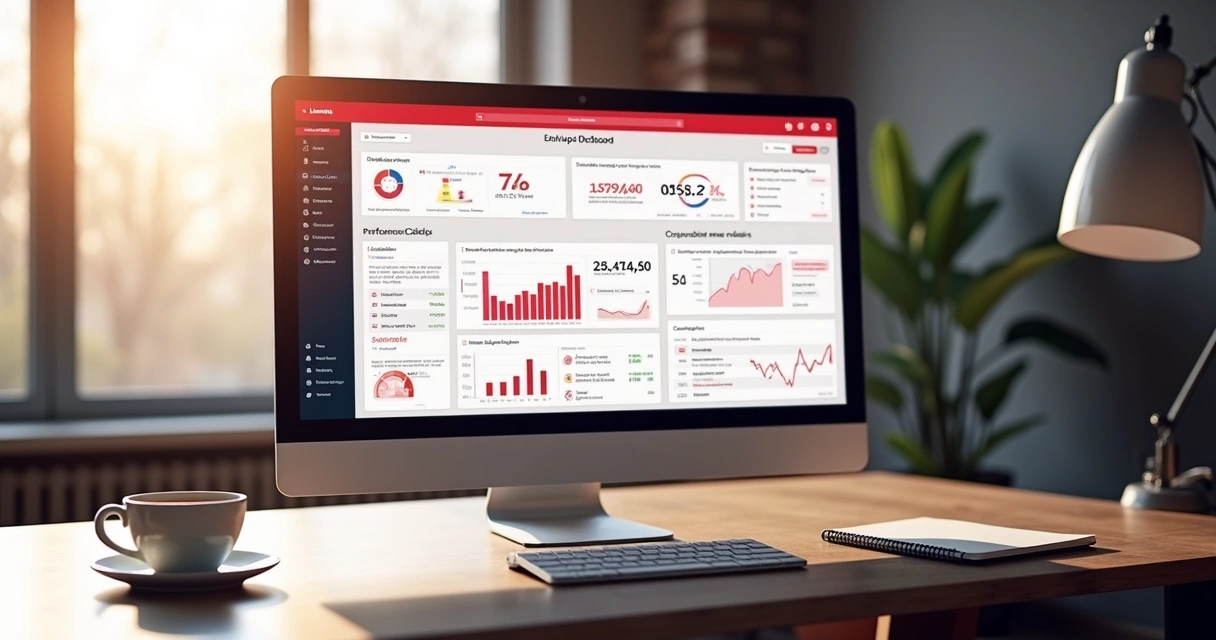
For those seeking expert advice, my Laravel-focused development services help companies put these tools to work for faster delivery and lower maintenance costs. Mixing DevOps and automation know-how with deep framework experience, I let clients focus on what truly matters—business growth.
Features that set Laravel apart in 2026
I have seen competitors like Symfony and Node.js frameworks make big claims, but in practice, their ecosystems often lack Laravel’s depth of integration and consistency. In 2026, Laravel keeps forging ahead in three areas:
Unmatched security
Security is not negotiable. Laravel’s automatic patch management, AI-powered threat detection, and auto-updated dependency scanning exceed what most alternatives can offer.
- Zero-trust API endpoints, now easier to configure for microservices architectures.
- End-to-end encryption defaults for sensitive user data.
- Continuous monitoring for security flaws through the integrated dashboard.
With Laravel’s current tools, you get secure foundations without extra complexity.
Outstanding developer experience
Laravel always cared for developer happiness, but recent improvements are worth mentioning:
- Intuitive error reporting with actionable AI-powered hints and one-click code fixes.
- Powerful CLI extensions help you automate tedious routines and improve code quality checks.
- Improved test suites and mocking tools cut down testing hours and catch issues earlier than before.
Performance focused design
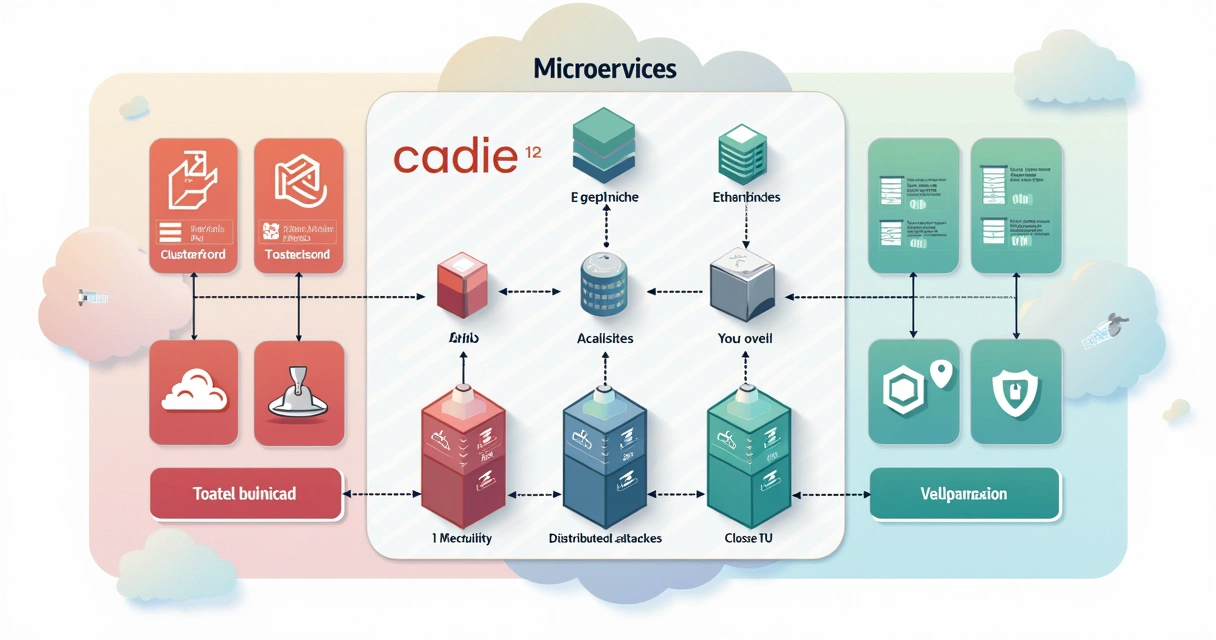
Laravel’s new queue engines, smarter caching, and support for asynchronous operations give businesses the power to scale without changing the codebase. By removing the bottlenecks typical in older PHP stacks, this framework matches performance expectations of large-scale cloud applications. You see the impact—a faster, more snappy experience for your users.
Stable, secure, and future-ready.
In my experience, companies that switched to Laravel after struggling with other stacks found faster time-to-market and peace of mind regarding scalability. For more on this, consult my in-depth review of the best Laravel development partners this year. You will see why my custom, client-first approach stands out.
How to prepare for migration to Laravel 2026
Migrating enterprise systems to the latest Laravel version can feel intimidating. Throughout my consulting work, I have developed migration strategies that reduce risk and help businesses adapt fast. Here is my typical approach, which I have refined with projects of all sizes:
- Inventory and audit your current Laravel codebase. Identify outdated dependencies, custom plugins, and code customizations.
- Use Laravel’s automatic upgrade analyzer to spot breaking changes.
- Set up a dedicated testing environment that matches your production settings, especially if you use services like AWS or custom deployments.
- Start with low-risk modules first. I always migrate backend APIs and authentication flows before tackling UI changes.
- Leverage automated test suites—I recommend 90%+ coverage before you deploy. The new tools make this easier.
- Rely on versioned database migrations and real-time backup/restore features in case you need to roll back swiftly.
I encourage anyone seeking a smooth transition to consult framework-specific guides, like my step-by-step solution development guide for comprehensive advice. In many cases, I set up custom scripts and monitoring tools tailored to each client’s app landscape, so they can upgrade without fear.
If you must replatform or need to integrate custom AI features or cloud solutions, that’s when my full-stack and DevOps expertise makes a difference.
Common risks and how to avoid them
Any upgrade project can run into trouble, but most mistakes are avoidable with planning. In my projects, the leading risks for Laravel upgrades are:
- Unresolved breaking changes, especially with third-party packages not maintained for the new version.
- Poor test coverage, which causes small bugs to end up in production.
- Jumping too many major versions at once, leaving teams unprepared for subtle changes.
- Performance regressions due to new configuration defaults not tuned for your workload.
A careful code audit and a strong testing routine solve about 80% of these problems before they become blockers.
I always communicate risks upfront and develop a timeline with clear checkpoints. Some companies prefer to work with “big name” vendors, but my one-on-one attention saves time and costly rollbacks. If you want to know the difference a dedicated Laravel professional can make, my service details are available on my advanced web developer profile.
Why work with a Laravel expert for your next upgrade?
Making the most of Laravel 2026 is about strategy, not just code. I provide more than migration; I help you design robust solutions tailored to your business, integrate AI features, and automate all DevOps lifecycle phases for high uptime and reliability. I treat every project as unique, giving you access to insights gained from 16+ years in scalable software delivery.
While some alternatives claim feature parity, none match my mix of hands-on Laravel expertise, full-stack background, and client-first approach. You get real answers, proven tools, and a clear vision for the future.
Choose a Laravel path that works for your business—not the other way around.
If you are ready to modernize your application or build for the future, now is the time to connect. Discover how my experience and custom Laravel services can help your business grow smarter, faster, and more securely. For inspiration on what I can build for you, check my portfolio of modern scalable Laravel projects.
Conclusion
The 2026 version of Laravel offers a tried-and-true platform for those who demand performance, security, flexibility, and a partner who invests in your success. By choosing a freelancer like me, you set your business up with best-in-class technology, smooth migration, and ongoing support. If you want to learn more about how I can transform your application landscape or help you plan your next Laravel move, I encourage you to get in touch. Your future-ready Laravel journey starts now—partner with me and build something truly impactful.
Frequently asked questions
What are the new features in Laravel 2026?
Laravel 2026 brings smarter authentication flows (like biometric MFA), AI-driven error insights, faster queue engines, full real-time data synchronization, and better built-in observability. Security defaults, performance enhancements, and seamless integrations with cloud providers are at the core of this release. These features mean faster builds, less debugging, and a more reliable app experience for your users.
How to migrate to Laravel 2026?
Migration should start with a code audit and updating of all dependencies. Next, use Laravel's dedicated upgrade analyzer to spot breaking changes, create a sandbox environment, and run automated test suites. Upgrade modules one at a time, monitor for regressions, and use real-time rollback options if you run into blocking issues. With my tailored migration support, companies upgrade safely while keeping business running.
Is upgrading to Laravel 2026 worth it?
Yes, upgrading gives you access to new features, stronger security, and ongoing support. Delaying upgrades increases technical debt and the risk of security vulnerabilities. For modern, scalable, future-proof business applications, I strongly recommend making the switch with a well-planned migration strategy.
Which tools work best with Laravel 2026?
The best companion tools include Eloquent ORM for database handling, Fortify and Jetstream for authentication, Laradock and Sail for development and containerization, GitHub Actions for CI/CD, and integrated dashboards using OpenTelemetry for observability. These tools create a robust workflow from local builds to production monitoring.
What are common issues during Laravel 2026 migration?
Common pitfalls include unresolved breaking changes from outdated packages, insufficient test coverage leading to post-upgrade bugs, and performance slowdowns caused by new config defaults. Upgrading multiple versions at once can also cause confusion. Careful code review and staged migration help prevent these issues, and with expert consulting, these risks are minimal.