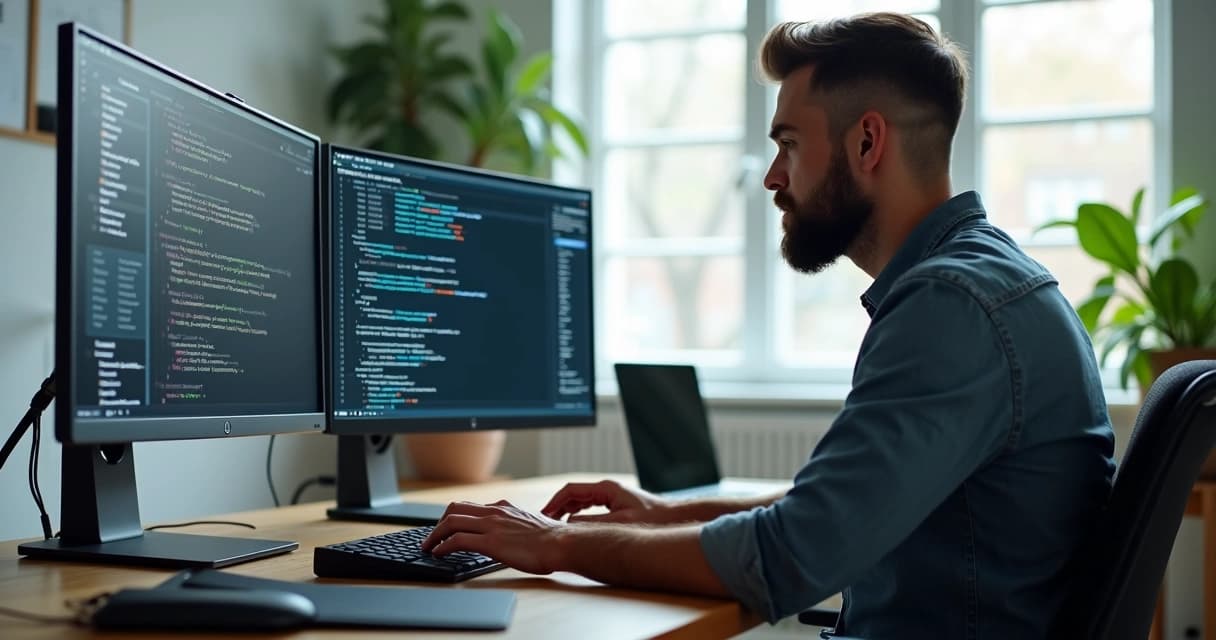
Bringing an experienced professional onto your remote team is not just about reviewing a resume and holding a quick call. In my many years as a senior engineer and consultant, I’ve seen that hiring a skilled engineer for remote work requires a thoughtful plan and genuine insights into both technical and interpersonal skills. If you’re seeking full-stack developers, cloud architects, or AI consultants, here’s how I recommend approaching your search for top talent like at Adriano Junior.
Understanding the right skill set for remote success
For a senior developer to thrive remotely, hard skills matter, but so do open communication and proactive problem-solving. I always emphasize these qualities when clients seek to find a reliable remote engineer for complex projects. Look for:
- Proven experience in languages you need, such as PHP, JavaScript, or Python
- Hands-on use of cloud platforms, especially AWS
- Full-stack project experience, from databases to modern front-ends
- AI integration or automation know-how
- Clear communication, especially when discussing solutions asynchronously
Remember, seniority involves not only deep technical knowledge but autonomy and a self-driven attitude. The ability to explain ideas clearly and work independently is as valuable as coding expertise.
The benefits and challenges of hiring remote professionals
When companies embrace distributed teams, they broaden their talent pool and often reduce costs. According to studies from the University of Scranton, remote work policies can save businesses between $11,000 and $37,000 per person each year. But it’s not without its challenges, namely, building trust and maintaining alignment on goals.
I’ve worked with clients globally and found that these common advantages and pain points stand out:
- Access to global skills
- Potential for round-the-clock progress on projects
- Risk of miscommunication due to time zones
- Higher need for self-motivation
Smooth collaboration starts with clear expectations.
The hiring process: step by step
From sourcing to onboarding, here’s what works best based on countless projects I’ve delivered and improved upon:
- Identify the technical must-haves and communication skills you need.
- Draft a detailed job post on platforms or networks where experienced freelancers and remote engineers operate. For step-by-step advice, I suggest reviewing resources like this freelancer hiring guide.
- Screen for hands-on project experience, not just credentials.
- Set up a mix of technical tests (live coding, code reviews) and asynchronous challenges to measure how candidates troubleshoot and document solutions remotely. For more tips, check senior freelance developer skills.
- Include video calls focused on communication and ownership of work.
- If possible, assign a paid trial project, not just a theoretical test.
- Prepare an onboarding plan that fast-tracks remote integration and cultural fit. For inspiration, the remote developer success guide helps new hires adapt smoothly.
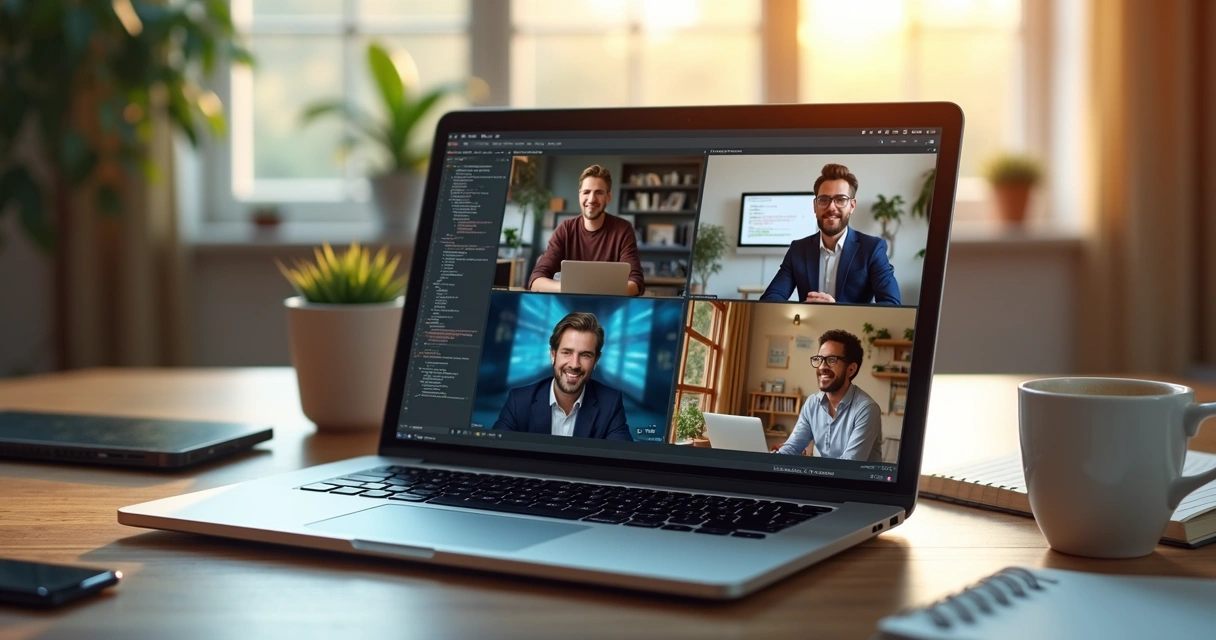
Best practices and integration tips
After hiring, ongoing support makes all the difference. In my practice, I focus on:
- Clear onboarding processes, share documentation, team values, and tools up front
- Regular check-ins for feedback, not just status updates
- Encouraging asynchronous work habits alongside a few planned live calls
- Recognizing remote engineers’ contributions in group settings
Avoid the trap of “set and forget.” Ongoing engagement leads to better results and happier team members, especially when working with freelance pros like myself.
Conclusion
Bringing senior engineers into your remote team pays off when you prioritize strong technical skills and good communication from day one. The most successful collaborations I’ve seen build trust, offer growth, and keep everyone aligned on goals. If you’re ready for expert help in web development, AI, and cloud solutions, reach out to discuss how I can bring value to your projects, and let’s build something outstanding together.
Frequently asked questions
How to hire a senior engineer remotely?
Start by defining your exact requirements, focusing on both technical ability and remote work experience. Screen for hands-on project experience, run technical assessments, and conduct interviews that test communication and ownership before offering a role or trial project.
Where to find top remote senior engineers?
Many experienced engineers work as independent contractors or freelancers and can be found via trusted networking, personal referrals, and curated job boards. Make sure to review relevant case studies and consult reputable guides like those at Adriano Junior to find qualified remote professionals.
What skills should a remote senior engineer have?
A remote senior engineer should have in-depth knowledge of software architecture, experience in relevant programming languages, practical exposure to cloud or AI integration, and especially strong communication. Self-motivation and the ability to document clearly are core strengths for success.
Is it worth hiring a remote senior engineer?
Yes, remote senior engineers can bring higher value and cost savings. Teams gain from wider expertise and, according to studies from the University of Scranton, businesses with remote teams save substantially per employee each year.
How much does a remote senior engineer cost?
Rates vary based on region, skill set, and specific project needs, but you should be prepared to offer competitive rates for senior expertise. Investing in proven talent often pays for itself in delivered value and smoother project outcomes.