
If you’re in the thick of running a modern business, or building a startup with rapid growth aspirations, the software development landscape can feel complicated. Decisions about web, cloud, artificial intelligence, automation, and more lie before you—and your digital future depends on getting these choices right.
With over sixteen years of experience as a senior software engineer, I’ve seen firsthand what works and what leads to wasted time and sunk costs. My name is Adriano Junior, and as both an independent contractor and digital nomad, I specialize in helping businesses like yours adopt solutions that fit—not just the current moment, but future growth too.
In this guide, I’ll break down what truly valuable developer services look like today: custom builds, cloud strategies, integration, security, automation, and scalable solutions for all business stages. I’ll walk you through choosing service providers, understanding agency models, and what to expect at each phase.
Along the way, I’ll share stories from my own career, explain current trends, and highlight how a personal approach can make all the difference. Whether you’re exploring AI integration, building the next SaaS platform, or updating legacy systems, you’ll finish with clarity and the confidence to act.
Understanding what modern software development offers
The digital ecosystem changes fast. The rise of new tools and competitors keeping you awake? It’s real for all of us. In my experience, the line between “off the shelf” and “custom” is fading, and even small companies expect advanced solutions that used to be reserved for big corporations. Here’s what sets strong development partners—especially freelancers with deep, broad experience—apart from the crowd.
You need more than just code. You need results that last.
The core areas every business should consider
It’s not just about building a digital product these days. To really help your growth, services should cover:
- Custom software development for unique needs
- Legacy application modernization to stay competitive
- Cloud-first and hybrid infrastructure for flexibility
- Secure integrations with your existing tech stack
- Automation of manual or repetitive processes
- Strong focus on compliance and cybersecurity
- Continuous maintenance and rapid scaling support
If you think about what makes a developer valuable, it’s not just their technical skills. It’s also their ability to listen, adapt, and guide you through choices that align with your goals and resources.
Custom software development: Building tailored solutions
One of the most common ways I help clients is by creating tailor-made applications. Off-the-shelf tools can solve generic problems, but a custom-built platform brings your unique business, workflow, or product ideas to life in a way nothing else can. Whether you need a robust backend, a mobile-friendly web portal, or a full SaaS product, personalization pays off.

When to go custom?
Sometimes small business owners or new startup founders ask me, “Do I really need a custom solution? Isn’t it overkill?” The truth is, I recommend it when:
- Your workflows are unique, and ‘one size fits all’ tools cause friction.
- You need to integrate with internal or legacy systems that aren’t supported by generic apps.
- Growth plans require flexibility, automation, or performance that only a custom build provides.
- You care deeply about owning your technology and data, for IP or security reasons.
For startups, having a custom MVP (minimum viable product) might be the difference between landing investment or getting lost in a sea of lookalike solutions. For established companies, it often means improving efficiency, reducing manual errors, or even opening new revenue streams.
My approach to custom projects
After sixteen years, I’ve developed a process that puts your needs front and center. We start with detailed assessment—listening to your vision, challenges, and desired outcomes. I work in short, clear development cycles and communicate progress often. Changes stay flexible. Testing is a constant, not just an afterthought.
When I build for you, it’s about delivering a platform that supports your business—not just today, but as you grow.
You can discover more about custom web app creation in my dedicated guide on custom web application development.
Application modernization: Making legacy tech future-ready
Many founders and managers approach me with this challenge: “We have systems that work—but they’re slow, unreliable, or just can’t do what we need anymore.” If this rings true for you, application modernization should be a priority.
Modernizing legacy software means taking your old, working solutions and transforming them into reliable, efficient, and scalable systems without losing business-critical logic or data.
Don’t let outdated technology hold back your big ideas.
Modernization often involves rebuilding or refactoring core systems, migrating to cloud platforms, and upgrading security. The result? You minimize disruptions, reduce maintenance costs, and open the door to powerful new capabilities like automation or analytics.
Common modernization scenarios
- Moving from on-premises servers to cloud platforms like AWS or Azure.
- Converting “monolith” desktop apps to nimble web-based interfaces.
- Upgrading databases and APIs for performance and safety.
- Adding automation, reporting, or smart AI features to legacy apps.
My project for a global e-commerce brand involved refactoring an old PHP system. We moved to a modern cloud stack, boosted reliability, and enabled same-day deploys. This made ongoing innovation much faster—and the team’s daily frustrations dropped instantly.
Why experience matters
Modernizing older applications takes a careful hand. You want a partner (not just a programmer) who can manage change with minimal risk. With my background in PHP, JavaScript, and cloud migration, I bring practical knowledge of both “old world” and “new world” standards. I’m also ready to keep your team in the loop, so every change translates into real improvements for daily users.
Cloud-centric solutions: Scaling and competing in the digital age
Cloud-native and hybrid solutions are now the engine behind most fast-growth businesses. More and more, I build or extend platforms that harness AWS, Google Cloud, and similar technologies. The benefits are clear: flexibility, speed, reduced overhead, and on-demand scaling.

With cloud platforms as your foundation, you adopt features once out of reach for smaller teams—continuous deployment, automated testing, secure backups, collaboration across borders, and instant scaling to handle spikes in demand.
Even with ready-made cloud tools available, getting that perfect fit—fine-tuned costs, custom automations, robust permissions—often requires an expert who does more than click through wizards. I bring hands-on experience from dozens of successful cloud migrations and builds, so you can trust that your solution will support your business as it grows.
What I typically build in the cloud
- Multi-tenant SaaS platforms and web apps
- AI-powered backends for analytics or recommendations
- Automated CI/CD pipelines for faster, safer deployments
- Microservices for improved flexibility and scale
- Integrated cloud storage for secure, compliant data use
If you’re considering cloud adoption, a consultation at the start is worth its weight in gold. I offer this service as a way to de-risk your migration and show where the cloud can unlock real value for your team.
Integrating with existing systems: Making everything work together
Over time, even the best-run companies gather a patchwork of different tools: ERPs, CRMs, accounting apps, marketing platforms. Getting these systems to share data reliably is often one of the hardest tech headaches you’ll ever face.
Seamless integration is about building smart connections between your existing platforms so that data moves smoothly, work happens faster, and everyone makes better decisions with less manual effort.
Disconnected software holds businesses back.
Through API development, middleware, or custom connectors, I regularly help clients sync inventory, sales, HR, and more. Sometimes, it’s as simple as fixing a buggy interface. Other times, it’s about real-time data flow and advanced analytics.
I draw on a full range of technologies including PHP and JavaScript—so, no matter your current setup, I can create bridges rather than silos.
Common integration scenarios
- Connecting an online store to warehouse inventory systems
- Pulling CRM data into an analytics dashboard for marketing
- Linking accounting platforms to automate report generation
- Combining legacy desktop tools with modern SaaS products
The long-term benefit
Integrated systems streamline your operations, reduce double data entry, and cut down on costly mistakes. In my work, these changes often pay for themselves inside a year, freeing up time and budget for growth initiatives instead.
Embracing automation: Streamlining business processes
If you spend hours each week on tasks that could be automated, you’re leaving money on the table. Workflow automation is one of the most satisfying changes to deliver for clients.

Automation means shifting repetitive tasks—such as sending reminders, transferring data between apps, or generating custom reports—away from people, reducing errors and letting your team focus on growth.
I’ve helped businesses automate everything from invoice creation to AI-driven chat support. These changes have freed up teams to spend more time growing sales, creating new services, or just taking a breather. My favorite moment? When a client calls me weeks later to say, “I wish we’d done this years ago.”
Examples of business automation I deliver
- Email and messaging automations for sales and support
- Order processing and status notifications
- Automatic syncing of online and offline sales data
- Daily data backups and compliance checks
- Smart report delivery to leaders’ inboxes each morning
Automation is not “all or nothing.” I often start with just one pain point, then, as trust builds, we extend the automation further.
Security and compliance: Protecting your business and data
Stories of ransomware, breaches, and bot attacks make their way into our news feeds almost every week now. As someone working in software since the mid-2000s, I’ve watched security shift from an afterthought to a top concern for every project, no matter its size.
Good security is a mindset, not just a checklist. I build systems from day one with data safety in mind: strong authentication, encrypted storage, audit logs, and controls that meet the strictest compliance standards when necessary.
Compliance is especially relevant if you’re handling personal data or working in finance, health, or retail. I help you decipher regulations like GDPR, HIPAA, or PCI-DSS, and design tech that supports your obligations (rather than working against you).
My hands-on experience means I never take shortcuts, and I keep you updated on the ongoing changes in the legal landscape. It’s not just about rates of encryption or the latest buzzwords. It’s about keeping your customers’ trust.
Ongoing support and scaling: Planning for the long run
While some firms finish a launch and move on, many clients stick with me for months or even years after launch because continual support is the key to digital growth and agility. Whether you’re dealing with evolving user feedback, changes in technology, or scaling to new markets, you need a partner who responds fast and thinks strategically.
Growth is easier when you’re never left waiting for answers.
My approach combines regular check-ins, proactive security updates, and a willingness to jump in fast when bugs or new needs pop up.
What ongoing support means in practice
- Monitoring servers and cloud environments for issues
- Regular backups and disaster recovery testing
- Rolling out compliance and security patches on a schedule
- Quick bug fixes, even out of normal business hours
- Strategic planning for new features or improvements
I view support as a partnership, not an afterthought. Many of my clients come to me after disappointing support experiences with larger, rigid agencies—as a solo expert, I have the freedom and personal attention to turn things around.
Meeting the needs of startups and growing businesses
I’ve worked closely with both fledgling startups and established mid-sized businesses. Each faces their own mix of constraints: limited budgets, shifting requirements, and the need to prove value fast.
Startups often need rapid prototyping, low “time to market,” and digital products that won’t collapse the first time they get 1,000 users in a day. They want technical partners who move quickly but always keep an eye on long-term stability.
On the other hand, established brands need expert solutions for scaling, connecting old and new systems, and building long-term confidence with their user base. Whether you have one developer on staff or an entire product team, I can slot in as a fractional CTO, project lead, or “special forces” engineer to move projects forward.
If you’re keen on learning more about what a consultant can do for you, I recommend my guide to software development consultants and their impact.

Scalability as a top priority
Growing businesses want solutions that adjust and stretch with their audience size. In my own projects, I favor microservices and cloud-native tools for this reason: they keep future pivots and expansions quick and cost-effective. That way, you focus on winning customers—not worrying about servers or software limits.
Latest project types and industry trends
Software service work is constantly changing. In recent years, I’ve seen a sharp rise in requests for:
- AI-driven customer service bots and recommendation engines
- Automated workflow systems in fields as varied as finance, healthcare, and e-commerce
- Real-time analytics dashboards with interactive visualizations
- No-code/low-code integrations boosted by custom logic when needed
- API-first approaches, allowing clients to connect apps to almost anything, now or in the future
One of my most satisfying recent projects was integrating a client’s e-commerce platform with AI-powered analysis. By automating product suggestions and support, we increased both customer satisfaction and average sales value—without needing the client to hire more staff.
If you want to build or launch something at the cutting-edge, working with a developer who both understands the latest technologies and communicates in plain language is critical. I emphasize all new projects align with your business case, not just technical trends.
Comparing software service provider models
Finding the right development partner is just as important as knowing what you want to build. I’m often asked, “What’s the difference between hiring a freelancer, going with a boutique agency, or choosing a large consultancy or staffing firm?”
There are many ways to slice this, but for most startups and small to mid-sized businesses, there are three leading options:
- Freelancers: Independent experts who take a hands-on approach and offer tailored solutions. Faster decisions, more flexibility, and deep personal investment in the project.
- Boutique agencies: Small teams of developers/designers. Tend to offer a more focused experience than larger agencies, but with slightly less flexibility than freelancers.
- Staffing/Consultancy firms: Larger companies that can assemble teams and offer project management. Often chosen for huge, enterprise-level efforts but can feel distant or slow for SMEs and startups.
With a freelancer, you’re never just a number.
In my experience, solo experts like myself are often the best fit for companies needing direct access, fast changes, and the extra context that comes from a long-term partnership. When I work with a client, there’s no “handoff” between sales and tech support. You get my best attention at every stage, from first chat to ongoing support months later.
For a deeper look into choosing the best freelance developer, I recommend reading my guide on hiring freelancers for software development.
Strengths and trade-offs
Each provider type has its pros and cons. Large firms might be needed for giant projects, but suffer from high costs and less communication. Boutique agencies give some flexibility—but can still have layers that slow things down.
Freelancers like me, especially those with broad language and cloud experience (PHP, JavaScript, AWS, and AI integration), deliver both speed and insight, with competitive rates and personal attention unmatched by big teams.
When you hire Adriano Junior, you’re not just buying time—you’re investing in a relationship with someone who cares as much about your outcome as you do.
Selecting the right service provider for your business
It’s tempting to rush into hiring the first team you find or going for the “biggest name” provider. My advice? Take time to match your needs, timeline, and style with someone who will work alongside you, not just for you.
Ask any potential partner about their experience with projects like yours, their communication approach, and their history of supporting clients long after delivery. Request references or review case studies—if they have a collection, that’s a strength.
And if you’re specifically building for a startup or digital-first product, make sure your developer understands the unique mix of agility, risk, and fast growth you’ll need. That’s where a freelancer with a proven track record stands apart from rigid agencies. You can get more insights in my startup partner selection guide.
Phases of a development project: From assessment to ongoing support
After so many years in the industry, I’ve seen projects succeed and fail based on how well each phase is managed. Here’s my approach, step by step:
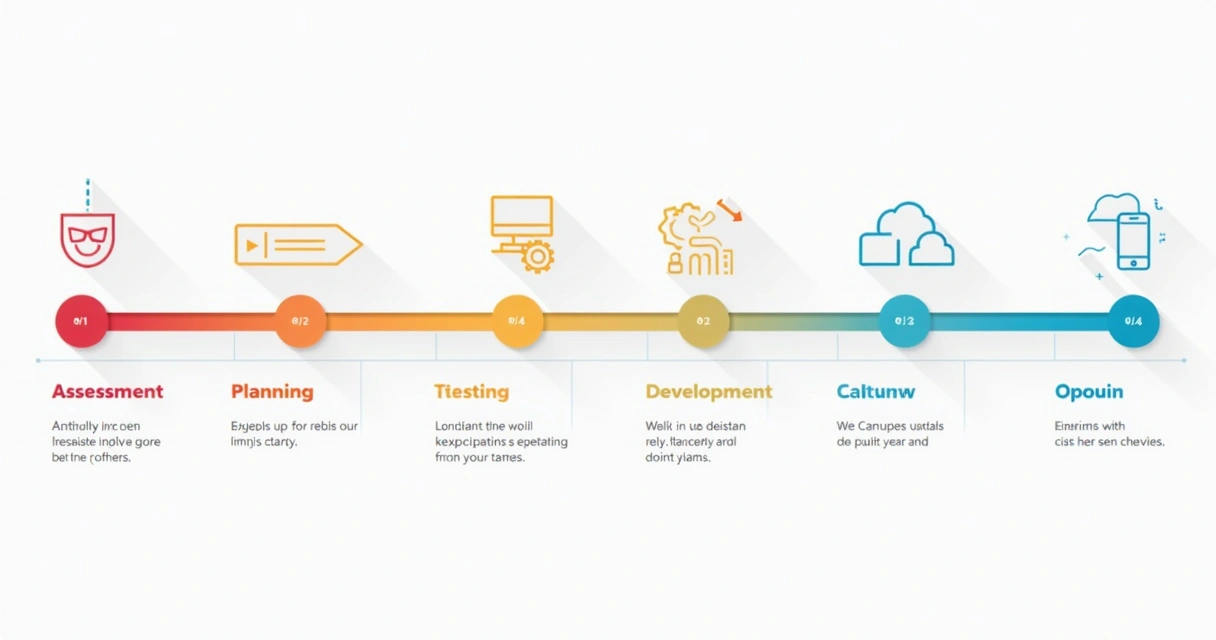
- Assessment: We discuss goals, requirements, and pain points. This includes technical and business interviews, user journey mapping, and reviewing your current stack.
- Planning: I create a project plan detailing milestones, timelines, and key deliverables. Budget and risk are clear up front.
- Development: Using agile cycles, I write and test code, keep you regularly updated, and allow for changes if new needs arise.
- Testing: At every step, tests run automatically and manually. We validate performance, security, and user experience before release.
- Delivery: Final product is launched to users. I handle cloud deployments, documentation, and training as needed.
- Ongoing Support: After launch, I stay involved. Fast fixes, new features, regular security updates, and monitoring.
This process ensures you’re never left in the dark, and every phase moves the project toward your business objectives. It’s how I keep both startups and established brands coming back project after project.
How my services stand apart (and why that matters)
Why choose me over a big-name agency or another freelancer? Here’s what my clients tell me matters most:
- Direct, expert communication—no middlemen, just straight answers
- Flexible, transparent pricing and timelines
- Up-to-date skills in web, cloud, and AI—not just one narrow area
- Real ownership of the project outcome, including after launch
- The ability to adapt quickly to changes as projects evolve
Competitors may have more staff, but that can also lead to confusion, slow email chains, or generic solutions. When you work with me, you get the judgement, skill, and care only a dedicated, senior professional can offer.

Your business deserves a personal approach—with world-class results.
When to make the leap: Signs you’re ready for tailored developer services
Sometimes the biggest risk is waiting too long. Signs you’re ready to bring in a seasoned developer like me?
- Your current systems slow you down more than they help
- Manual tasks cost you time, accuracy, or money
- Competitors are delivering faster, better digital products
- You’re planning to launch something new but aren’t sure of the right tech stack
- Security worries keep you up at night
- Integrations and cloud migrations seem daunting
If any of those sound familiar, it’s time for a conversation. Even a quick consultation can clarify where you stand—and how to move forward with confidence.
For more context about what web development can bring to startups, take a look at my article on web development for growing businesses.
Where to start: Making the right first move
Some potential clients tell me they feel overwhelmed by options or jaded from past experiences with underwhelming freelancers or impersonal agencies. Here’s my best advice: start with one honest conversation. Outline your main problem, your dream scenario, and your constraints. A quality developer doesn’t need a 50-page brief—they need your vision, your context, and your trust.
Together, we can scope a pilot project or a full roadmap. If we’re not a fit, I’ll tell you honestly—my reputation rests on long-term relationships and real results, not one-off sales.
The right developer should make things feel lighter from day one.
If you want software to power your next stage of growth, or you’re tired of patchwork fixes, I’m here to make that leap simple and smooth.
Conclusion: Build your future with confidence
Modern businesses demand smart digital solutions that fit, scale, and deliver value from day one. Whether you’re launching a new product, updating legacy systems, or automating the critical workflows that support your growth, finding a partner with the right skills and mindset is the only shortcut that works.
With my experience as Adriano Junior, I offer more than just code—I bring practical advice, clear communication, up-to-the-minute technical skill, and an ongoing commitment to your success. Whether you need custom development, cloud transformation, AI integration, or reliable support long after launch, I’m your best ally.
If you’re ready to talk through your challenges or dreams—or just want to see what’s possible when you work with a passionate, skilled, and proven software expert—reach out today. Let’s bring your next digital project to life and give your business the edge it deserves.
Frequently asked questions
What are software developer services?
Software developer services are a range of professional offerings that cover the creation, improvement, and ongoing management of software applications uniquely designed for a business’s needs. This includes everything from custom application development and legacy system modernization to workflow automation, integration of existing tools, cloud migration, and ongoing technical support. These services adapt to the company’s size and market, focusing on practical solutions that solve real business problems. As a freelancer, I provide direct, tailored versions of these offerings—focusing on your goals, budget, and timeline rather than selling a one-size-fits-all package.
How much do developer services cost?
The cost of software developer services depends on several variables: project complexity, specific technologies required, timeline, and the provider’s experience level. For instance, a basic integration or automation might cost less than a complete custom software build or a full cloud migration. As a senior freelancer, my pricing is transparent and competitive, especially compared to large agencies that inflate costs with overhead. I offer clear estimates and flexible packages to fit startups, small businesses, and growing enterprises. For most clients, the investment pays off quickly in saved time, reduced errors, and faster growth.
Where to find reliable developers?
You can find skilled developers in several ways—including direct referrals, professional platforms, and by researching proven experts online. Look for a developer (or freelancer) with real-world experience, clear communication, and a track record in both the technologies and business types that match your needs. Check their portfolio, request references, and have a conversation about past projects. Many businesses find that working with someone like me—offering a mix of technical depth, personal attention, and broad project experience—delivers far better results than hiring anonymous teams from generic marketplaces.
Is it worth hiring freelance developers?
Hiring a freelancer can be the smartest move for companies that value flexibility, speed, and personalized service. Freelancers like myself often work more closely with clients, adapt quickly to change, and carry less overhead than large agencies—making them an ideal choice for startups and SMBs. The benefits include direct communication, custom-fit solutions, and a relationship that continues long after launch. Just ensure your freelancer has the experience to handle your project’s unique requirements.
What are the latest trends in software development?
Current trends include the rapid adoption of cloud-native and hybrid architectures, widespread use of AI for both automation and smart analytics, microservices for better scalability, and low-code/no-code tools to get solutions up fast. Businesses are increasingly focusing on workflow automation, real-time integrations, and building secure, compliant systems from the ground up. My own service offerings evolve with these trends—ensuring your project always benefits from the most effective and future-proof choices available.