
For more than sixteen years, I’ve been in the business of turning ideas into working software, building everything from small landing pages to scalable AI integrations and cloud systems. It’s a world that changes quickly, sometimes feels overwhelming, but also offers constant new chances. What I want to share isn’t just technical knowledge—it’s the path, methods, and mindset I believe make all the difference when you hire someone to build and evolve your digital solutions. If you’re looking for an expert freelance full stack developer, or are simply curious about what goes into this work, this will be particularly helpful.
Quality work blends skill and communication.
Let me walk you through what I’ve learned, not only from what’s under the hood—like code and tools—but also from the relationships built while delivering real business value.
Understanding the freelance landscape for full stack specialists
Choosing the freelance route as a full stack developer isn’t just about writing code; it’s about building trust, delivering results fast, and adapting to constant change. The demand is rising. According to the U.S. Bureau of Labor Statistics, there’s a projected 23% growth in employment for web developers and digital designers from 2021 to 2031. That’s a signal—businesses want digital solutions, and they want them now.
But this demand is not just about numbers. It’s about the changing way companies approach digital transformation. A document from the U.S. Securities and Exchange Commission even points out that software development jobs have been growing at twice the pace of other sectors. This expansion, in my experience, matches what I see firsthand: Customers are looking for proven developers who can think holistically—front-end, back-end, cloud, and even machine learning integration.
With remote work now common, I’ve served clients from North America, Europe, and beyond. Flexibility and skillset make a difference, but so does understanding how to present those skills.
Defining the key skills: A mix of technology and business sense
When I sit down to work with a potential client, they rarely ask just about the tools I use. What matters is the outcome—what I can help them build, automate, or solve. That’s why the skills I’ve focused on go beyond the basics of coding:
- Front-end expertise: Modern JavaScript (React, Vue, Angular), responsive design, accessibility, and performance tuning.
- Back-end mastery: PHP (and frameworks like Laravel), Node.js, Python, relational and NoSQL databases.
- Cloud integration: AWS, serverless architectures, CI/CD pipelines, Docker and infrastructure as code.
- AI integration: Connecting APIs, building predictive or analytical tools, deploying smart automations—all crucial for modern business.
- Business awareness: Project scoping, estimating time and cost, tracking ROI.
- Effective communication: Explaining technical matters in plain language, clear updates, and rapid feedback cycles.
Technical skills alone do not guarantee project success. Business owners need someone who understands the value behind their projects and can align technical choices with real goals. That is what I aim for with every project, as can be seen in the mix of front-end, API, and cloud integration projects listed on my project portfolio.

Building and presenting a strong portfolio
Your portfolio is your handshake—it gives potential clients their first impression. Over the years, I’ve come to realize that it’s far better to show focused, real-world results than just a list of tools or skills. Here’s what I include and why:
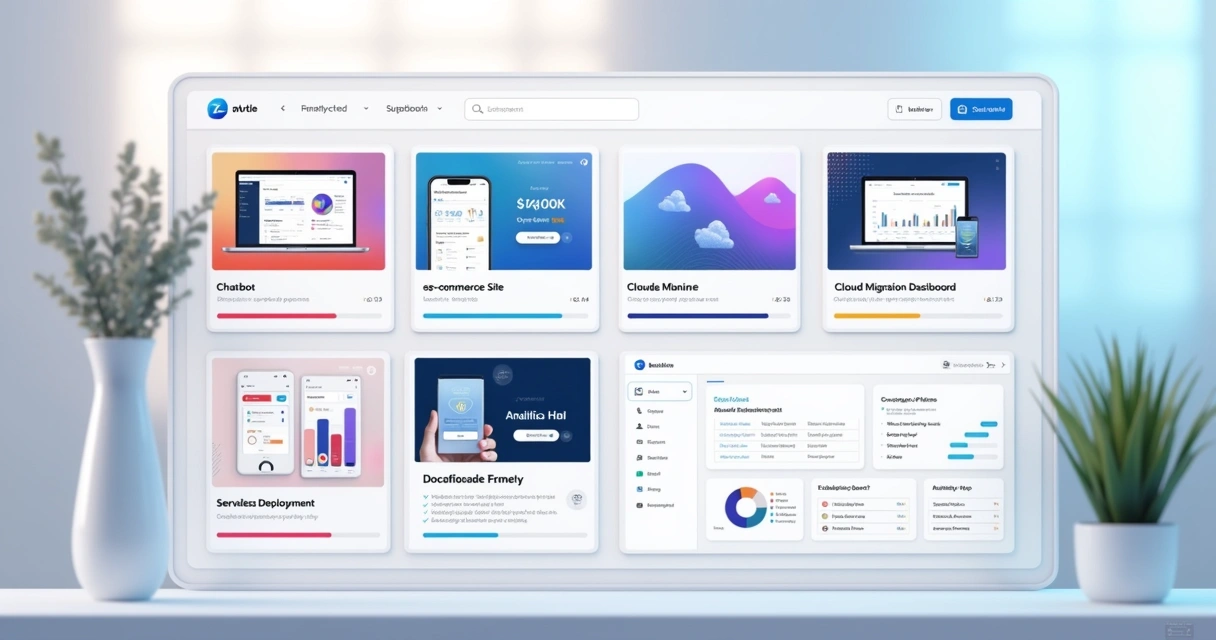
- Diverse projects: Web apps, mobile, cloud migrations, e-commerce, AI Proof-of-Concepts. This mirrors real-world breadth (see examples in my client work history).
- Brief context for each project: What was the challenge? What technologies were matched to the client’s needs? How did my solution save money, improve speed, or increase sales?
- Live demos or code samples: Whenever possible, I share links to working apps or code repositories—trust comes from transparency.
- Non-code skills: Communication scripts, project plan templates, checklists for cloud migration, or user feedback forms.
- Client testimonials: Honest, specific, and ideally linked to a verifiable profile.
If you’re considering whether someone can deliver your next product, wouldn’t you rather know exactly what they did for others? That’s why my experience page highlights not just technical feats but the impact: more efficient logistics for a shipping company, smoother onboarding for HR teams, and robust AI chatbot deployments that cut help desk overhead.
How to stand out from competitors?
There are many developers who can write clean code. But, the best results come from those who match the rapid pace of a project with understanding, flexibility, and real empathy for business objectives. I believe this is what distinguishes my service as a senior freelance engineer. While platforms like Toptal or Upwork offer global talent, finding someone with proven, broad experience and a personal commitment requires more than just browsing profiles. With me, clients always know who is addressing their needs and can count on continuity.
Help clients solve real problems; the tools used are just a means to that end.
Approaches to finding freelance opportunities
I often get asked how I find projects, especially high-impact ones. Behind every client relationship lies a mix of visibility, trust, and timing. Here’s what has worked for me and can help clients find the right developer too:
- Direct client referrals: Still the highest quality avenue for meaningful work. Happy clients return and recommend me. My deliverables and ongoing support help here, and I welcome you to reach out via my services page if you’re ready for a consult.
- Curated job platforms: I maintain profiles on select job boards, but focus on platforms where expertise is weighed by actual results, not just cost or certifications. Compared to open freelancing sites, I think my focus on direct business outcomes is what sets me apart.
- Professional communities: Online developer networks, tech forums, and niche LinkedIn groups yield clients looking for trustworthy experts who speak both the technical and business language.
- Content marketing: Detailed articles, case studies, and guides on web frameworks or API integration (see my recent post on web frameworks for scalable business) often lead to queries from product owners who recognize my approach.
- Networking at events: Industry events—virtual or local meetups—connect me with founders and managers who have problems to fix now, not in six months.
If you’re searching for a specialist in web, AI, or cloud, reviewing a developer’s own posts and open-source work often says much more than a resume ever could. That’s why I host code and tech guides on my personal blog and encourage clients to check them out.
What about job boards and freelance platforms?
Sites like LinkedIn, Toptal, and Upwork match millions of projects with freelancers. There’s real value in their reach and standards. Yet, after working via these platforms and also independently, I’ve seen how hiring directly can be more personal and tailored. By working with me, clients don’t just get generalized support—they get my specific expertise, continuity, and focus on long-term results rather than one-off delivery.
Effective pricing strategies and negotiating contract terms
Clients often hesitate on rates and scope. I understand this. Transparency is key. According to the U.S. Bureau of Labor Statistics, the mean annual wage for web developers as of May 2022 is $87,580 in the U.S., with the top 10% reaching $144,690. Reports from Caltech’s Center for Technology and Management Education also show competitive annual rates averaging $118,009. These numbers reflect a broad market, including many with less experience.
I price based on value delivered and project complexity. Sometimes hourly makes sense for ongoing advisory or troubleshooting; often, a flat project fee suits both me and my client best—less ambiguity, more trust. Here’s a rough framework:
- Discovery phase: Free or discounted evaluation of needs, budget, and fit. I always want clients to feel clear about what they’re getting.
- Project-based quotes: For defined deliverables, with milestone payments linked to progress. This keeps things fair and predictable.
- Hourly rates: For consulting, troubleshooting, or ongoing support, with weekly capped hours to offer cost certainty.
- Retainer contracts: For ongoing roadmap work or advisory. I’ve found this especially fitting for companies scaling digital offerings or seeking technical leadership.

Here’s the principle I stick to: Deliver value first, and price based on the actual business result. In negotiations, clarity around scope, deadlines, and deliverables is non-negotiable. I work with clients to capture “what matters most” in writing, so the partnership stays anchored even if needs shift mid-project. This reduces surprises—for both sides.
If contract terms don’t match what you need, keep discussing until expectations align. A good agreement prevents headaches later.
The importance of continuous learning
Whether it’s learning a new front-end framework, deploying the latest AI tools, or adopting cloud-native patterns, this work never stands still. I still regularly take advanced courses, join bootcamps, and attend live workshops. This is more than just “staying current”—it’s what allows me to advise clients on what’s coming next.
There’s a lot of talk about AI and cloud automation right now. Business owners want trustworthy guidance not just about building the product, but also about integrating modern APIs and scaling systems. By keeping up through hands-on projects and targeted learning, I help my clients adopt not just what’s new but what works for them.
The best solutions are built by those who learn each day.

What does this mean for clients? You get more than a developer—you get a partner ready to guide you through tomorrow’s technology, today.
Work-life balance and tools for remote development
I’ve been working fully remotely long before it was the industry norm. Keeping projects on track while working from different locations across the globe means building the right habits and tech stack. My routine is simple but effective:
- Regular, short check-ins: Quick updates via messaging or video keep expectations managed.
- Task tracking: Tools like Trello, Asana, or Jira for project boards—always visible to clients.
- Version control and code reviews: GitHub, GitLab, Bitbucket—all ensure project transparency.
- Calendar planning and scheduled work blocks: Dedicated time for meetings and deep work, so nothing falls through the cracks.
- Protected personal time: Working efficiently, but knowing when to pause—burnout serves no one.
- Clear availability windows: Clients know exactly when and how to reach me, with rapid response during agreed hours.
Healthy routines keep projects running, but also protect my creativity and attention for your goals. I think the best work comes from a blend of discipline and flexibility.

Adaptability and proactive communication as trust builders
Even the best project plan can run into speed bumps: shifting market needs, sudden urgencies, or changes in business direction. I’ve found that keeping communication open—never hiding issues or waiting until the last minute to flag risks—turns small problems into nothing more than a blip.
If a developer can’t explain what’s happening, why things changed, and what comes next in simple words, they aren’t truly a partner. Some of my best long-term clients began with “problem rescue” projects, where proactive communication saved time, money, and credibility.
Here’s how I keep this approach consistent:
- Set clear milestones: Agreed checkpoints make progress measurable and honest.
- Weekly summaries: Even a fast-moving project gets a digest, so you’re never wondering what’s next.
- Share screens, not just documents: I walk through demos live when needed, making everything transparent.
- Candor about challenges: If a route isn’t working, I’ll explain alternatives and recommend the best next step—always focused on your priorities.

Repeat work, in my experience, comes from trust. The more open and proactive the relationship, the greater the business impact. I care deeply about the success of every client, whether it’s a startup needing a fresh web presence or a growing business seeking advanced AI integration.
How my approach benefits your project
You might be looking for someone who can quickly deliver a business-critical solution. Or perhaps you need an expert who makes complicated systems easy for users—or new revenue opportunities appear thanks to connected data. Here are some real ways my clients benefit:
- Rapid project launch: My experience lets me move from discovery to prototype in days, not months.
- Strong code foundation: Every system I deliver is created with future business growth in mind—clean, scalable, and well-documented.
- Hands-on integration: Whether adding smart chat, payment flows, or automating inventory, I bridge legacy and new tech smoothly.
- On-demand support: Clients can count on clear, jargon-free guidance during and after launch.
- Cost and time transparency: Honest estimates, progress visibility, and no hidden surprises in billing.
If you’re weighing options, know that, unlike many agencies or anonymous platforms, I am directly accountable, with a portfolio you can explore and references you can speak with. My aim is always lasting business value—not a one-off transaction.
Conclusion: Your next step toward project success
Freelance full stack development is an opportunity to collaborate on creative, scalable digital solutions. But building a real partnership with your developer determines project outcomes. Over years in this space, I’ve refined my technical and business skills to serve both startups and established companies—always focused on speed, transparency, and lasting value.
Whether you need full stack web, AI, or cloud expertise, or simply want a consultation to understand what’s possible, my approach ensures your project gets personalized attention and real results. If you want an experienced partner with a proven track record, let’s talk about how I can help you deliver impact. Start by reviewing my professional services or reach out directly to discuss your needs.
Frequently asked questions
What does a freelance full stack developer do?
A freelance full stack developer designs, builds, and maintains both the front-end and back-end of web applications for clients, handling everything from user interface to database and server-side logic. In my role, I tackle business requirements and technical details, ensuring the system is easy to use and robust in performance. My clients benefit from one point of contact with wide-ranging expertise, spanning project planning, development, integration, deployment, and support.
How much do freelance full stack developers charge?
Rates vary widely based on experience, specialization, and scope, but full stack web developers in the U.S. typically earn between $87,000 and $144,000 annually as salaried professionals, and freelance project rates can be higher due to specialized needs and flexibility. In my case, I price based on value and complexity—project-based fees for distinct deliverables, or hourly/retainer models for ongoing work. Transparent estimates are part of every contract so you know what you’re paying for without hidden extras.
What skills are needed for full stack freelancing?
Strong skills in both front-end (JavaScript frameworks, UI/UX, responsive design) and back-end (server languages like PHP, Node.js, cloud deployment, databases) are required for full stack freelancing. Business analysis, project scoping, effective communication, and adaptability to new tech are equally important. I maintain and grow these areas through continuous hands-on learning and delivering real projects that blend code and business results.
Where can I find freelance full stack jobs?
Freelance opportunities are found on curated job platforms, developer forums, professional networks, and through direct referrals. While large platforms like Upwork and Toptal host millions of jobs, I believe businesses benefit most from connecting with established experts through specialized communities, content (like in-depth blog posts), and word-of-mouth recommendations. Direct communication leads to better alignment and faster results.
Is it worth becoming a freelance full stack developer?
If you value autonomy, varied projects, and high income potential, this path is extremely rewarding. According to recent labor statistics, demand is growing fast, and businesses increasingly value broad technical and business skills. I personally enjoy the flexibility and direct partnerships, but success depends on continuous learning and strong communication. For clients seeking a reliable, skilled partner, working with someone dedicated like me means better outcomes and real growth potential. For those ready to take the next step, reviewing my service offerings or starting a conversation is the best way forward.