
If you’re reading this, you might be wrestling with the classic question: is there a way to create web applications that are not only secure and scalable, but actually tailored to your unique requirements? I have worked as a Senior Software Engineer for over 16 years, and I can say with confidence that finding the right fit in web development is as much about picking the right partner as it is about the technology. That’s why I want to share everything I’ve learned about working with a custom Laravel development company, and why trusting your next project to a professional with proven experience can make all the difference.
Why does custom Laravel development matter?
Every business is different. And when you want your web or mobile app to reflect that, you can’t settle for cookie-cutter solutions. Laravel—open-source, robust, and constantly evolving—stands out among PHP frameworks for making it possible to build tailored, feature-rich applications. In my career, the most successful projects have always started with careful attention to users’ actual needs rather than out-of-the-box shortcuts.
Scalable, secure, flexible—that’s how I describe custom Laravel solutions when clients ask what sets them apart.
But choosing technology is just one piece of the puzzle. Who you work with is equally, if not more, significant.
The value of experience, code quality, and reliability
When someone hands me a Laravel codebase full of quick fixes, missing tests, and confusing design, I know immediately that their previous team lacked the right habits. Experience really shows up in the small details—clear documentation, smart database schema design, and anticipating future growth. After years consulting for businesses wanting scalable and maintainable systems, I’ve learned there are a few non-negotiables:
- Consistent coding standards throughout the project, using modern PHP and Laravel best practices. This isn’t just about beauty—well-written code is easier to debug, update, and extend.
- Quality assurance and automated testing to avoid any expensive surprises after launch.
- Reliable deployments and CI/CD pipelines, which reduce downtime and support smooth version upgrades.
- Attention to cloud infrastructure and security, especially when scaling up or handling sensitive data.
I’ve worked on projects that struggled because their makers failed in these areas. But when you partner with a developer who’s been through high-traffic launches, massive migrations, or full legacy system rewrites, you avoid those pitfalls. That’s part of what I offer through Adriano Junior custom Laravel consulting.
The step-by-step Laravel development process
Clients often ask me, “What happens, step by step, if I start a new Laravel project with you?” Here’s how I approach a professional Laravel build, from initial conversation all the way to long-term support.
1. Requirements gathering
Everything starts with clear, honest conversation. What are your users’ goals? What’s your budget and timeline? Are there existing legacy systems? Only when all these are answered do we move to design. The process I use includes:
- Workshops with stakeholders to map user journeys and core app logic.
- Reviewing any legacy databases or third-party APIs that need integration.
- Creating a project brief that documents all technical and UX needs.
This step prevents miscommunication and costly reworks. For in-depth discussions on tailoring Laravel apps to specific business goals, I often point clients to the guide on Laravel development services and scalable custom solutions.
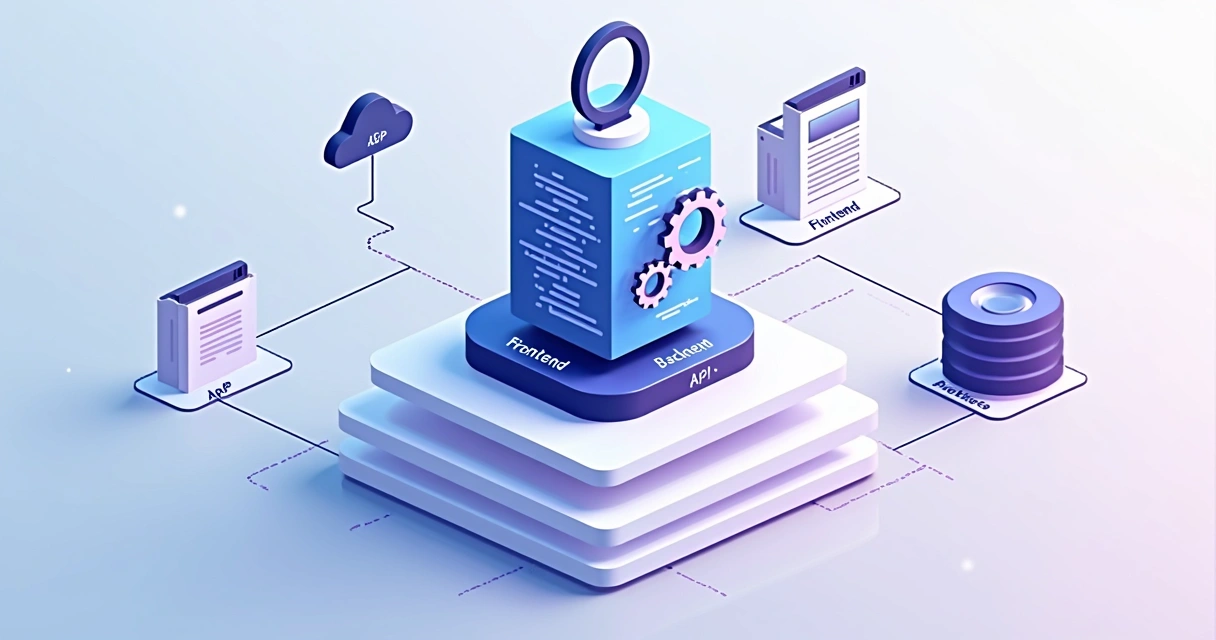
2. Planning and architecture
This is where technical vision comes together. I map out:
- Database schema and relationships, using Laravel’s Eloquent ORM for clarity and ease of change.
- Backend and frontend separation for applications needing modern reactive interfaces (Vue.js or React).
- Plans for deployment environments—from dev to staging to production, often using AWS or similar cloud providers.
Strong planning makes it easy to onboard new developers, add features, or scale the app later. Quick wins in these stages always pay off in the long run.
3. UX/UI design
I bring in tools like Figma to create wireframes and interactive prototypes. The right user flow makes apps “feel right.” I work closely with clients—and often end users—to make sure color schemes, workflow, and accessibility match business and customer needs. You never want to realize, too late, that the interface is the main bottleneck for adoption.
4. Coding and implementation
This is my favorite part—the act of building. I follow modern Laravel standards:
- Breaking functionality into well-structured Controllers and Services.
- Using Laravel’s built-in authentication and policies for strong data protection.
- Setting up feature tests and unit tests so bugs are found before release.
- Integrating VCS (git), and using tools like GitHub Actions for continuous integration and deployment.
If you want a closer look at these technical patterns, you may find my breakdown on building modern, scalable Laravel web apps insightful.
5. Testing and QA
Once code is written, the real work of “breaking” it starts. On every application, I run through automated test suites and, when it’s needed, browser-based QA scripts. No production deployment happens without full functional and security checks.
Bugs caught early save weeks—even months—later down the road.
6. Deployment and cloud scaling
Launching a Laravel app is no longer a one-click affair, especially with modern infrastructure and microservices. My deployment routines include:
- Automated builds and zero-downtime deployment pipelines.
- Cloud services on AWS or similar (EC2, S3, RDS, CloudFront).
- Secure backups and logging/monitoring from day one.
I always prioritize solutions that make rollback easy, if needed. This helps teams recover rapidly if anything ever goes wrong.
7. Maintenance and ongoing support
After launch is where the difference between a generic development vendor and a specialist really shows—adopting best practices for bug fixes, security patches, and support as customer needs grow. As a freelancer, I make a point to monitor apps over time. Many of my best clients started with one small Laravel build, and over the years, their platforms kept growing, getting new features, and staying secure along the way.
Benefits of using Laravel for custom app development
In my experience, Laravel has become the preferred framework for businesses needing custom projects because it brings together speed, flexibility, and robust security. Here’s how that adds up for your business:
- Fast prototyping: Laravel’s clear syntax means new features get built in days, not weeks.
- Scalability: Laravel supports everything from small MVPs to multi-million user SaaS apps. Vertical and horizontal scaling are both supported.
- Security: Out-of-the-box protections against SQL injection and CSRF, plus powerful authentication.
- Custom integrations: Easy API-driven design allows your Laravel app to connect with payment gateways, CRMs, analytics platforms, and more.
- Rich ecosystem: Packages for everything from billing to real-time chat.
Laravel is fast, secure, and trusted by companies both big and small who want control over their growth.
I’ve seen teams waste months in “DIY frameworks” only to switch to Laravel because of its maintained ecosystem and strong package support. If you’re curious about how modular integrations can speed up your custom solution, I often recommend reading more at Laravel web development and custom API integration.
Examples from my experience: E-commerce, SaaS, and legacy modernization
With dozens of Laravel projects under my belt, I always find that “real life” examples are the best proof of what tailored development can achieve. Here are three types of projects I frequently build and maintain for clients—each with unique challenges, and each made better by the power of custom Laravel engineering.
E-commerce platforms
Traditional e-commerce platforms can be restrictive. When working with Magento, Shopify, or others, adding non-basic product options or supporting regional tax systems can induce nightmare scenarios. But Laravel lets me create marketplaces where:
- Complex pricing and inventory logic matches any business rule.
- Admins handle flash sales or multi-vendor management with ease.
- APIs connect the shop to external ERPs or fulfillment vendors.
And with a custom codebase, you’re not paying for “features” you never use.

SaaS products
Building SaaS platforms is one of my favorites. Clients often come to me unsure if PHP can support long-term SaaS growth, but with Laravel it’s entirely possible—even preferable—to create:
- Strong user authentication and flexible access rights.
- Subscription billing with Stripe or PayPal.
- Real-time dashboards powered by broadcasts and WebSockets.
- Multi-tenant architecture, if your SaaS supports multiple organizations in the same app.
The best part? You can always add new modules over time, without re-architecting from scratch.
Modernizing legacy systems
One request I receive more every year is to update or replace slow, unreliable legacy applications. I’ve migrated apps from aging PHP projects, ASP.NET, even desktop-only solutions, into a clean, modern Laravel codebase. The benefits are immediate:
- Old data is migrated and cleaned up at the same time.
- APIs bridge legacy tools to the new Laravel platform.
- UIs become intuitive (finally!), and new users are onboarded faster.
If you’re stuck maintaining an ancient system, I can help you upgrade while minimizing interruption. There’s more discussion about these strategies and case studies available at custom Laravel development and modernization.
Security and scalability: Designing for peace of mind
One thing that can never be overemphasized is security—especially for applications handling sensitive data, finances, or communications. With Laravel, I:
- Use encrypted environment files and secrets for all credentials.
- Enforce HTTPS and strong password policies on user accounts.
- Run regular audits for XSS, CSRF, and SQL injection risks.
- Set up rate-limiting and IP monitoring for login and payment endpoints.
Scalability, too, is a long-game strategy. I design every Laravel setup with future growth in mind: start lean, yes, but always leave room to add queue processing, caching layers, or load balancing. Some teams try to patch these years down the road—much easier to think ahead.

Integrations and API development
Modern businesses don’t operate in isolation. Custom integrations and APIs are the backbone of ambitious online ventures. Whether it’s syncing with Salesforce, launching a custom mobile app that interacts with your Laravel backend, or creating partner-facing APIs, I’ve built them all. Here’s my approach:
- Define clear REST or GraphQL contracts, so your data is safe and predictable.
- Secure all endpoints with tokens and API authentication middleware.
- Document endpoints for your future developers or integration teams.
Strong, well-documented APIs future-proof your business while attracting partners and third-party developers.
Migration, upgradation, and ongoing support
A custom Laravel application isn’t just about delivery—it’s about the ongoing partnership after launch. Here is what I provide as ongoing services, and what you should expect from any specialist:
- Security patches and bug fixes—applied quickly, sometimes even before you know you need them.
- Database migrations when it’s time to add new features or restructure objects.
- User training and technical consulting for your internal team.
- Continuous server monitoring and performance improvements, especially during high-traffic events.
No app is ever finished for long. User needs, security risks, and technology itself keep changing. That is one reason why freelance developers like myself, rather than agencies that rotate teams, make strong long-term partners.
Choosing the right Laravel development partner
If you’re searching for a Laravel specialist, these tips aren’t just from theory—they’re from years of working with clients who tried other routes first. Here’s what I recommend looking for:
- Proven project portfolio: Ask for real apps built for businesses like yours. I always walk prospective clients through code samples and live projects.
- Clear, transparent communication: Every milestone or problem is reported promptly. No guessing games.
- Security-first mindset: Your data is protected at every layer, with regular risk assessments.
- Scalable codebase: Make sure they’re planning for the future in how the code is built, not just for launch day.
- Technical consulting: They should be able to advise, not just code—to help you make the smartest technical decisions possible.
In my work as a freelance Laravel developer, I guide clients through tradeoffs so there is no confusion about priorities. You don’t just want someone to “build to a spec”—you want a specialist who can help you make better choices from architecture to launch.
Consulting services: Tailoring Laravel to business needs
Every business wants technology to fit their processes—not the other way around. I’ve seen clients previously working with competitors who only offered off-the-shelf tools, and their projects always needed expensive “workarounds.” As both a developer and a technical consultant, here’s how I make the difference:
- Interviewing users to find actual pain points and workflow gaps.
- Prototyping custom features—then iterating based on honest feedback, instead of chasing trends or “feature creep.”
- Offering phased project rollouts, so you get working results early and often.
- Long-term planning for API usage, reporting, and machine learning integrations (yes, even AI-powered analytics can be integrated with Laravel!).
Some larger agencies might pile on unnecessary features and costs, whereas I keep focus on what matters to your operation. A custom Laravel development company with true consulting experience knows your business is the priority, not just the code.
How custom Laravel development supports growth
There is strong data backing the surge in demand for high-quality custom software. According to recent reports based on Bureau of Labor Statistics data, software development salaries are high and demand is expected to keep increasing over the next decade. This means only more competition—and a greater need for reliable, well-crafted, future-proof solutions.
Hiring the right partner is key: in my experience, small and mid-size businesses thrive when working directly with a seasoned developer who treats your app as if it were their own. Your success is my metric. For a comprehensive breakdown of how custom Laravel builds support startups and established sellers, you might want to scan my writeup on scaling Laravel software for long-term growth.
What makes Adriano Junior the right choice?
If you’re seeking not just a Laravel coder but a technical partner who cares about your future success, here is what you gain working with me:
- Direct, ongoing access to a developer with more than 16 years’ experience.
- Personalized consulting, from architecture to user experience.
- Proven ability to deliver on-time and on-budget, across projects from SaaS to e-commerce to system modernization.
- A commitment to secure, well-maintained code, well after launch day.
With the right developer, Laravel delivers reliability, flexibility, and the freedom to grow.
Conclusion: Take the next step with confidence
In my view, choosing a custom Laravel development partner is about more than lines of code; it is about future-proofing your business and building lasting value. Whether you need a brand new platform, an API layer to power next-gen mobile apps, or a migration from a legacy system, a tailored Laravel solution is ready to support your goals every step of the way.
My goal—every project, every client—is to bring 100% focus, reliability, and scalable results. If you want to know how a specialized freelancer like myself can help bring your vision to life with Laravel, let’s start a conversation today. Discover more about my services and past projects on the Adriano Junior website. I am ready to help you succeed.
Frequently asked questions
What is custom Laravel development?
Custom Laravel development means building web or mobile applications entirely tailored to your business needs using the Laravel PHP framework. Instead of adjusting your workflow to fit a generic product, your app is crafted from the ground up to fit your exact processes, user roles, and integration needs. This approach gives you more control, better security, and easier scaling compared to off-the-shelf solutions.
How much does Laravel app development cost?
The cost of developing a Laravel application depends on several factors: project scope, number of features, UX/UI design requirements, integrations, and the experience level of the developer or team. Small MVPs may start from a few thousand dollars, while complex SaaS, e-commerce, or legacy migration projects cost more. I provide transparent pricing after gathering your requirements—no guesswork or hidden fees.
Why choose a Laravel development company?
A specialized Laravel development company brings proven expertise, a streamlined process, and the peace of mind that your project is in expert hands. You gain access to up-to-date knowledge, robust testing, strategic planning, and ongoing support. As a freelancer with a deep portfolio and technical consulting experience, I focus on delivering custom solutions that boost your business—not just writing code.
Is Laravel good for scalable apps?
Yes. Laravel is trusted for everything from small business pilots to large SaaS platforms serving millions. It offers built-in support for caching, queuing, horizontal scaling (using load balancers or multiple servers), and advanced database management. When you work with an experienced Laravel developer, you’re set up for smooth upgrades as your user base or data needs grow.
Where to find reliable Laravel developers?
To find a reliable Laravel developer, look for specialists with a history of successful projects, clear communication skills, and a strong commitment to ongoing support. You can start by reviewing portfolios, reading client reviews, and evaluating technical blogs. For those seeking a seasoned freelancer with a transparent approach and a consultative mindset, you can learn more about my services on this site—your next reliable partner might just be a message away.