
I have spent the better part of two decades working with businesses of all sizes, helping them adapt, experiment, and grow using modern technology. Over these years, there has been nothing quite like the recent wave of artificial intelligence tools, models, and platforms. If you are reading this, you are probably wondering: what can these new solutions truly do for your business? How can you implement them without unnecessary risks? As a Senior Software Engineer and freelance consultant, I specialize in building, integrating, and safeguarding these intelligent systems—and I want to help you understand both their potential and their limits.
Understanding today’s AI business landscape
Artificial intelligence is not an abstract promise anymore. It is everywhere. In my experience guiding remote teams and deploying both in-house and cloud-based AI solutions, I have seen how small businesses and large enterprises alike face similar questions. What types of AI should we use? Will they really bring tangible improvements? Is it difficult to plug them into existing processes?
Let’s start by looking at the core types of AI tools transforming business today:
- Smart automation of repetitive tasks
- Conversational chatbots for customers and staff
- Predictive analytics for data-driven decisions
- Image, video, and audio processing solutions
- Personalized marketing and recommendation engines
- AI-powered cybersecurity and compliance monitoring
Each category has unique uses, technical requirements, and likely pitfalls. But all share a simple promise: to make your business faster, smarter, or more responsive. To put these in context, I’ll break down seven practical use cases that I have personally seen deliver results, while openly discussing the risks involved.

Automated customer support: more than chatbots
If you have ever visited a company website and chatted with a virtual agent, you’ve seen automated support in action. But modern AI-driven customer service is about much more than “chatbots.” The newest systems can detect customer intent, answer with context-sensitive replies, escalate complex issues, and even draw on integrated data sources.
From my standpoint, one of the strongest moves a business can make is to start with customer support automation. Why? It is measurable, reduces calls and emails, and can work 24/7 with almost no downtime. When I have partnered with businesses to roll out custom, AI-powered support tools, the impact is very clear:
- Response times drop dramatically
- First-contact resolution rates increase
- Customer satisfaction gets a noticeable boost
- Support costs go down, especially when repetitive queries make up most of the load
But it is not risk-free. If your chatbot is poorly trained, gives the wrong answer, or fails to escalate a sensitive issue, trust can be broken easily. This is why my approach always combines robust training, regular reviews, and smooth integration with live agents as I’ve detailed here.
AI-powered support should sound natural, not robotic.
Process automation: efficiency with human oversight
Another use case that almost everyone asks about is automation of business processes. Invoice handling, HR onboarding, order management, compliance checks—the list goes on. AI-powered automation frees up staff for more meaningful work and eliminates manual entry errors.
In my projects, the key is always to start small and target clear “pain points.” For example, an accounts team dealing with thousands of invoices per month can save significant hours with an AI system that extracts data, flags duplicates, and even predicts potential fraud. The staff’s role then shifts from “do the work” to “verify the outcome.”
However, there is always a risk of over-reliance. If a business automates processes without human checkpoints, mistakes can slip through undetected. I have seen businesses lose critical documents or send errant payments because of “automate everything” mindsets. The trick is to balance automation and oversight.
Predictive analytics: data-driven decision making
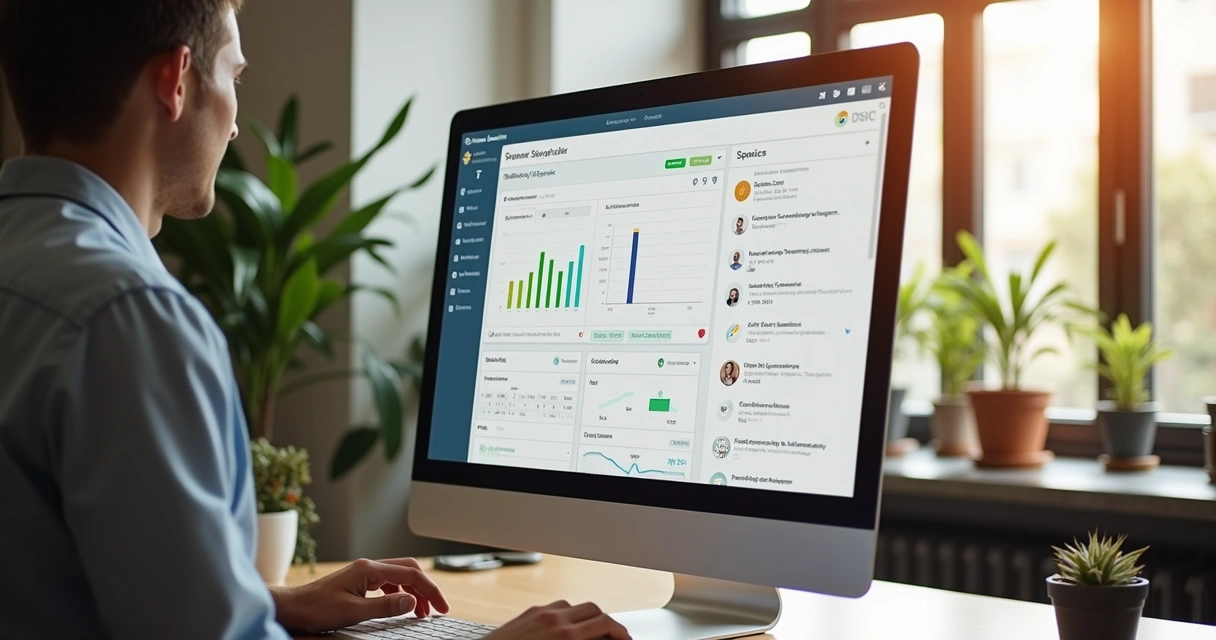
This might sound technical, but “predictive analytics” really means using past data to guess what will happen next. In retail, this could be forecasting which products will sell in summer. For SaaS startups, it might be predicting which customers are likely to churn. In nearly every industry, these tools help business leaders make smarter decisions faster.
Using machine learning models, I have helped companies analyze sales patterns, work out optimal pricing, and identify bottlenecks. In my experience, the strongest effects happen when the analytics are plugged directly into daily tools—so decision makers do not have to be data scientists to benefit.
But predictive models are only as good as the data you feed them. “Garbage in, garbage out” is a phrase as true today as it was twenty years ago. If your historical data is patchy or biased, your insights can mislead you. I always advise my clients to build a data validation step before running any predictions.
If you want to understand how modern frameworks handle massive datasets, the overview of scalable business solutions frameworks on my website can shed more light.
Personalization engines: tailored marketing and sales
The days of “one-size-fits-all” marketing are fading fast. With AI, you can tailor every email, message, and offer to each customer’s habits, preferences, or even mood. The recommendation engines behind Netflix, Spotify, or ecommerce giants are built on this idea. You do not need their budget to get started.
Small and medium businesses can now use AI to send offers just as personal, automate segmentation, and even adjust pricing in real time. In my gigs as a freelance developer, I have set up AI solutions for restaurants recommending menu items, online stores suggesting add-ons, and service companies flagging up-selling opportunities at the perfect moment.
The upside? Higher conversion rates, improved retention, and a friendlier experience for your customers. The risk? Privacy and ethics. Sending a customer an eerily accurate suggestion can feel intrusive. My advice, and part of my standard workflow, is to always give users clear choices (opt-ins, easy unsubscribe), and never pull in data from sketchy sources.

Vision and listening: smarter image, video and audio solutions
Another field where AI has made giant steps is in how computers “see” and “hear.” Sophisticated models can now recognize faces, logos, objects, spoken words—even emotional tone. This opens a host of possibilities: automated document scanning, security camera analytics, real-time speech translation, or transcribing meetings on the fly.
For example, in the healthcare field, AI image analysis systems help radiologists catch issues they might overlook. Retail stores use “smart cameras” to monitor inventory and detect shelf gaps instantly. In my own experience, AI-enhanced video tools are powerful but come with their own challenges:
- They require strong privacy protection
- False positives can be costly (e.g., sending security after a blurry license plate)
- They must play nicely with existing tools and workflows
Whenever I design or recommend AI-powered vision solutions, integration is always top of mind. That is one reason I specialize in API integration; see my thoughts on connecting modern systems with APIs for more practical tips.
AI for cybersecurity and compliance
In a world with more data breaches and regulations every year, protecting business assets is not optional. AI offers several powerful ways to spot threats: real-time monitoring for suspicious activity, anomaly detection in access logs, and automated compliance checks that keep your business safe and audit-ready.AI can detect patterns human analysts often miss, helping you stay ahead of emerging risks.
However, giving AI systems access to your sensitive data carries risk, and mistakes can have big consequences—especially if regulatory fines are involved. According to a study published in the National Library of Medicine, healthcare organizations in particular must develop risk management frameworks to ensure compliance and ethical use of AI. I always recommend a “least privilege” approach: only let the AI see what it truly needs to perform its job, and monitor its actions with real humans in the loop.

AI in decision-making: supporting—not replacing—humans
At their best, AI solutions boost our judgment rather than override it. AI can rank possible sales leads, highlight urgent emails, or flag risky transactions, but the final call often remains with a trained expert. In my view, these “decision support” tools should be designed for transparency and interpretability.
Recent research from the Wharton School shows that “black box” approaches can make it hard for businesses to explain controversial choices to customers or regulators. Whenever I build or select AI solutions for decision-making, I insist on features like clear audit logs and accessible explanations for every recommendation. This builds trust—and keeps your options open if the landscape changes.
Real-world integration challenges for businesses
Here is where I believe experience shows its value. Integrating AI into an established business is rarely a plug-and-play affair. Your existing infrastructure, workflows, and data quality all factor heavily. In my consulting work, I always follow a methodical path:
- Identify “low-hanging fruit”. Pick clear, limited use cases where success is easy to measure—like automating invoice entry before tackling the whole finance pipeline.
- Assess current data health. Review your data for gaps, errors, or privacy risks. Clean data is a must for good outcomes.
- Choose the right tools. Commercial platforms are tempting, but they are not always best. Custom AI solutions, like the ones I deliver, often fit your process better and grow with you over time.
- Start with pilot projects. Run a limited test and gather feedback from the actual people who will use the AI, not just IT leaders.
- Scale once proven. Gradually increase the scope to other teams or regions.
- Build in oversight. Always have the ability to audit, override, or “turn off” the AI if something goes wrong.
This approach does take a bit longer at first, but it almost always avoids expensive rework and builds trust within your team. I have learned that clear, honest communication about what AI will and will not do is as valuable as the technical work itself.
Risks: trust, regulation, and workforce adaptation
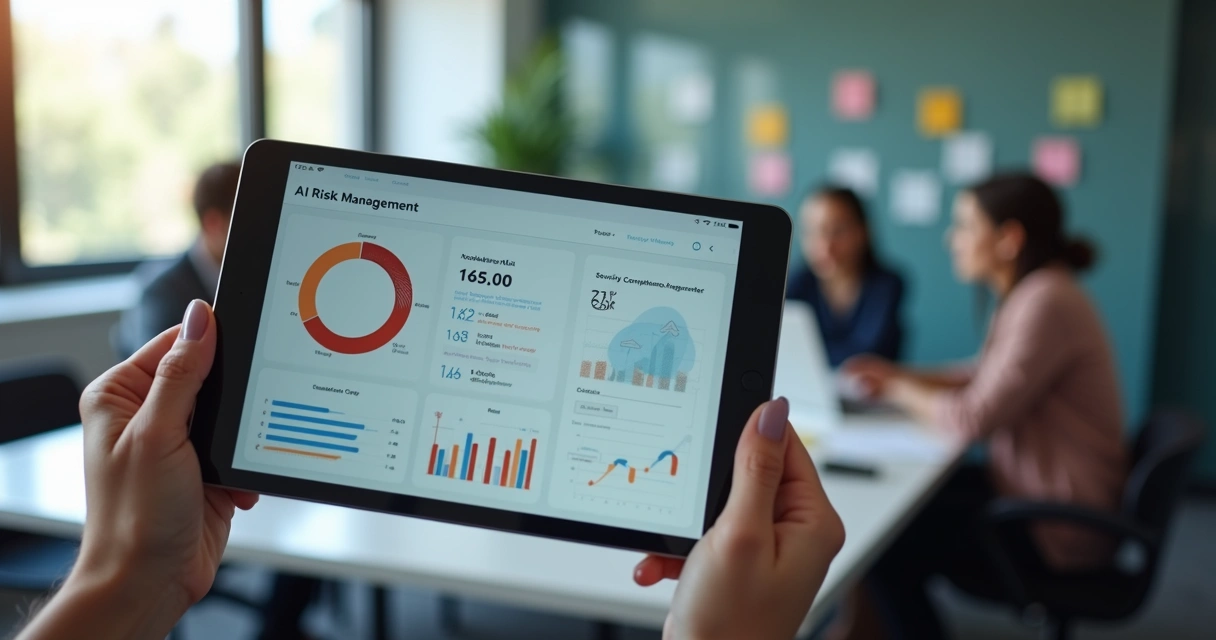
No technology is risk-free, and artificial intelligence is no exception. According to the OECD, more than 6 out of 10 public sector leaders worry that generative AI could erode trust in institutions, and similar concerns pop up in private companies. So what should you be aware of when planning an AI project?
- Digital security: AI systems are only as secure as the data and access controls you build around them. Regular audits are non-negotiable.
- Bias and discrimination: As the Wharton research warns, hidden biases in your data or algorithms can result in unfair outcomes, especially in areas like hiring or loan approvals.
- Explainability: Make sure your system can “explain itself” when questioned by staff, regulators, or clients.
- Ethics and compliance: National Library of Medicine and others highlight the fast-changing regulatory landscape, particularly in sectors like healthcare and finance.
- Workforce impact: Employees may resist or fear change. Training and honest engagement are the best ways to adapt your team, as nearly every successful project I have worked on proves.
- Misinformation: According to the AAAS, tools like the Washington State’s AI Community of Practice can help organizations set responsible use standards and share lessons learned.
Trust in AI is earned, not assumed.
Best practices for AI implementation and ongoing review
Over the years, my most successful clients are not the ones chasing the latest buzzword—they are the ones who build solid habits right from the start. Here is what I recommend if you want your AI projects to thrive long-term:
- Test before deploying at scale. Use a limited pilot to iron out issues.
- Invest in staff training. Make sure everyone affected knows what the AI will do (and not do).
- Monitor for drift. AI models can lose accuracy as conditions change—set regular review points.
- Audit for fairness and explainability. Build ethics and transparency into your processes from day one.
- Keep humans in the loop. Never fully automate critical decisions without review.
If you want AI that works for people—not just spreadsheets—these steps cannot be skipped. It is also why I build in ongoing support, alerts, and regular reviews as part of every contract I take, big or small.

Scaling from entry-level tools to enterprise AI
I am often asked where a business should start: Should you buy prebuilt tools, or invest in custom AI right away? My answer is almost always: start small, but keep your future options open.
- If you are new to AI, try “off-the-shelf” solutions for clear use cases like customer emails or analytics dashboards.
- As your confidence grows, consider custom solutions like the ones I develop for clients—these can tie directly into your existing systems, scale as you need, and give you a unique edge over competitors.
Too often, companies get stuck with one-size-fits-all tools that are hard to adapt as their needs grow. By working with someone experienced in full-stack AI development and integration, you keep control as you scale.
If you are interested in how deep learning powers these advances, my in-depth explanation of deep learning architectures is a good place to continue reading. Or, if you want hands-on help today, my services page describes what I can offer your business—from first steps to full-scale deployment (see available services here).
Conclusion: bringing AI to your business with confidence
I have seen firsthand how smart use of artificial intelligence can transform businesses: by making service teams faster, automating routine processes, sharpening forecasts, providing personalized experiences, improving security, and supporting better decisions. But these gains only come when you proceed with clarity, responsibility, and the right technical expertise.
Every business is unique. That is why I build tailored, integrated AI solutions that work with your existing tools, team, and culture—not generic shortcuts. If you are ready to talk about what AI can do for your business, or just want to understand your options with no sales pressure, I invite you to reach out and see the difference a seasoned, hands-on specialist can make. Discover more at my services page and move forward with confidence.
Frequently asked questions
What are the main AI business solutions?
The main kinds of AI used by businesses today include customer service automation (chatbots and virtual agents), process automation (tasks like data extraction or onboarding), predictive analytics for smarter choices, recommendation engines for personalizing offers, vision/speech recognition tools, and AI-powered cybersecurity monitoring. These can be tailored for both small and enterprise businesses, depending on scale and needs.
How can AI improve business operations?
AI can make routine tasks faster, provide quick and accurate answers to customer questions, spot patterns that inform better decisions, and help spot risks like security threats or fraud in real time. The big wins are usually faster turnaround, fewer errors, happier customers, and freeing human talent for higher-level work.
What risks come with using AI tools?
There are several, including data security (protecting customer and business info), accidental bias in decision-making, lack of transparency (“black box” results), compliance with evolving laws, and the possibility of staff resistance or job shifts. That is why I always build in strong oversight, regular reviews, and clear communication.
Is investing in AI worth it for businesses?
Yes, it can be—if you focus on the real pain points, start with specific use cases, keep humans involved, and regularly measure outcomes. Many of my clients have seen better customer satisfaction, stronger profits, and even more effective teams. But AI is not a magic fix; it requires thoughtful planning, the right tools, and a partner who knows both the technical and business sides.
Where can I find top AI solutions?
Top business AI solutions are available both as commercial platforms and as custom-built tools. If you value close support, integration with your unique processes, or want to scale over time, custom solutions delivered by experienced freelancers like myself are often the best choice. For more information on tailored, modern AI systems that put your goals first, visit my AI services and consulting page.