
AI is no longer a futuristic idea. It’s now a daily reality for many modern organizations. The idea of using artificial intelligence to handle routine tasks, improve responsiveness, and provide insights is reshaping how businesses work—sometimes in ways that aren’t always obvious until you take a close look. I’ve seen it up close myself, both working with startups and larger enterprises looking to unlock new possibilities.
In fact, AI-powered automation refers to using smart computer systems to perform repetitive, complex, or data-heavy tasks that would otherwise require significant human effort. Over the past years, automation has moved well beyond basic scripts and rule-based bots. With machine learning (ML), natural language processing (NLP), and adaptive reasoning, businesses can now automate decisions, handle customer requests, spot anomalies, and support critical operations.
If you picture a customer support chatbot replying to questions, a recommendation engine driving sales, or software sifting through thousands of invoices, that’s AI at work. You might not see it, but AI-driven tools are behind many of today’s fast, efficient companies.
AI is not the future; it’s the present tense of business success.
As a Senior Software Engineer and digital nomad, I’ve implemented intelligent automation projects for diverse clients—from growing e-commerce brands looking to streamline orders to SaaS platforms integrating AI for live data insights. In this article, I want to show, using real-world examples and practical strategies, how AI automation transforms processes and opens doors for innovation.
What is AI automation? Core ideas and technologies
Before diving into the use cases, it’s helpful to clarify the technology. For many, automation just means using computers to speed up boring work. AI-driven automation takes this further: it combines algorithms capable of learning from data, interpreting human language, predicting outcomes, and optimizing decisions—entirely on their own or in partnership with humans.
Key pillars: machine learning and NLP
Machine learning is the foundation of most AI-based automation. This technology allows computer systems to observe patterns, make predictions, or cluster data points without being programmed by hand for every possible scenario. For example, ML models can spot fraud in real-time by analyzing dozens of variables at once, or recommend next best actions to sales reps.
Natural language processing, another pillar, enables AI to “understand” and generate text or speech as humans do. This lets chatbots answer questions, tools sort emails by topic, and digital assistants follow spoken requests.
Other enablers include image recognition, deep learning architectures, and robotic process automation (RPA) platforms that combine coded logic with self-learning. My own experience as a freelance developer often revolves around blending these elements to fit each client’s operational puzzle.
Deep learning architectures and their applications play a growing role in powering next-generation automation, breaking down barriers in language, vision, and decision-making.Why businesses automate with AI
- Speed up response times for support, sales, and production
- Process large amounts of data—accurately, every single time
- Cut manual, repetitive work so teams focus on more valuable ideas
- Spot trends or risks that humans might not notice
- Adapt to customer needs in real time

Recent Federal Reserve analysis shows firm-level AI adoption rates are climbing quickly, from 5% to 40% depending on sector and company size, highlighting how AI is reshaping work both in tech-heavy and traditional roles.
7 high-impact use cases for AI automation in business
I’ve identified seven main areas where intelligent automation makes a remarkable difference. Each one not only solves distinct business challenges but creates practical value—better service, reduced errors, and time saved for everyone involved.
1. Customer support automation
Support centers used to rely on large teams answering calls and emails. But today, AI-driven chatbots and virtual agents automatically answer questions, book meetings, route requests, and assist with orders—instantly, day or night. This means shorter wait times, faster resolutions, and more consistent customer service.
My own clients have seen dramatic results by automating FAQs, complaint resolution, or logistics tracking. For example, e-commerce companies use NLP-based bots to handle thousands of order queries a day, freeing agents for tougher problems.
Automated support with chatbots not only cuts costs, but leads to measurable improvements in customer happiness, as reported by various user surveys. Even public agencies now employ chatbots for routine inquiries, as noted by the Roosevelt Institute, showing real gains for both clients and staff.
2. Predictive analytics for smarter decisions
Imagine being able to forecast demand, spot sales opportunities, or foresee equipment issues before they disrupt operations. Predictive analytics uses historical data and AI models to forecast future outcomes, guiding better business strategies.
I notice clear patterns here. Retailers use predictive tools to plan inventory and personalize promotions, while manufacturers monitor sensor data to schedule maintenance before costly breakdowns. Finance teams apply AI to spot risk in real-time, detecting fraud or credit defaults much faster than a human ever could.
Federal agencies, as detailed in the 2024 Federal AI Use Case Inventory, doubled their use of AI over one year—nearly half for finance, planning, and HR functions. That’s a sign of broad confidence in these tools to steer smart decisions and reduce manual checks.
3. Automated HR and recruitment processes
Hiring, onboarding, and managing people eats up significant time for any business. AI-powered automation tools scan resumes, shortlist candidates, schedule interviews, and process onboarding forms. This speeds up recruitment, improves fairness, and lets HR staff focus on candidate experience instead of paperwork.
Some of the projects I built for clients involve integrating AI-based screening into existing HR platforms. Instead of sifting through hundreds of applications, a few smart filters and machine learning models quickly deliver a usable shortlist. And for ongoing HR tasks—like time-off requests or payroll queries—intelligent bots handle the repetitive requests, reducing manual errors and keeping things running smoothly.

4. Marketing and sales automation
Finding and nurturing leads, segmenting email campaigns, and following up with prospects are tasks ripe for smarter automation. AI now powers everything from next-best-action marketing to personalized recommendations and automated sales follow-up messages.
What I find particularly effective is linking website interactions with real-time product recommendations. For SaaS businesses, AI-classified leads allow sales teams to focus on the hottest prospects. Automated marketing platforms detect patterns (for example, “customers who abandoned their cart after viewing product X are most likely to buy after a discount offer”) and trigger targeted messages at just the right time.
Even content, like newsletters or landing pages, is getting a boost from AI models able to generate variants, test outcomes, and improve open rates. This keeps marketing teams agile and always adapting.

5. Financial operations and invoice processing
Every business needs to handle mountains of paperwork—especially when it comes to finance, billing, or procurement. AI-enabled automation now reads documents, extracts key data, matches invoices to purchase orders, and alerts staff to anomalies, all by itself.
I built financial automation solutions where software “reads” scanned invoices, checks them for accuracy, and even posts entries into accounting systems. This is possible by combining NLP and OCR with business workflow rules in cloud platforms. The time saved is significant, and costly mistakes drop.
Comparing with manual efforts, the U.S. Government Accountability Office reports using AI to organize vast legislative text libraries and summarize materials—freeing officials from repetitive work and boosting accuracy. Businesses of every size gain similar benefits.
6. Workflow and task management
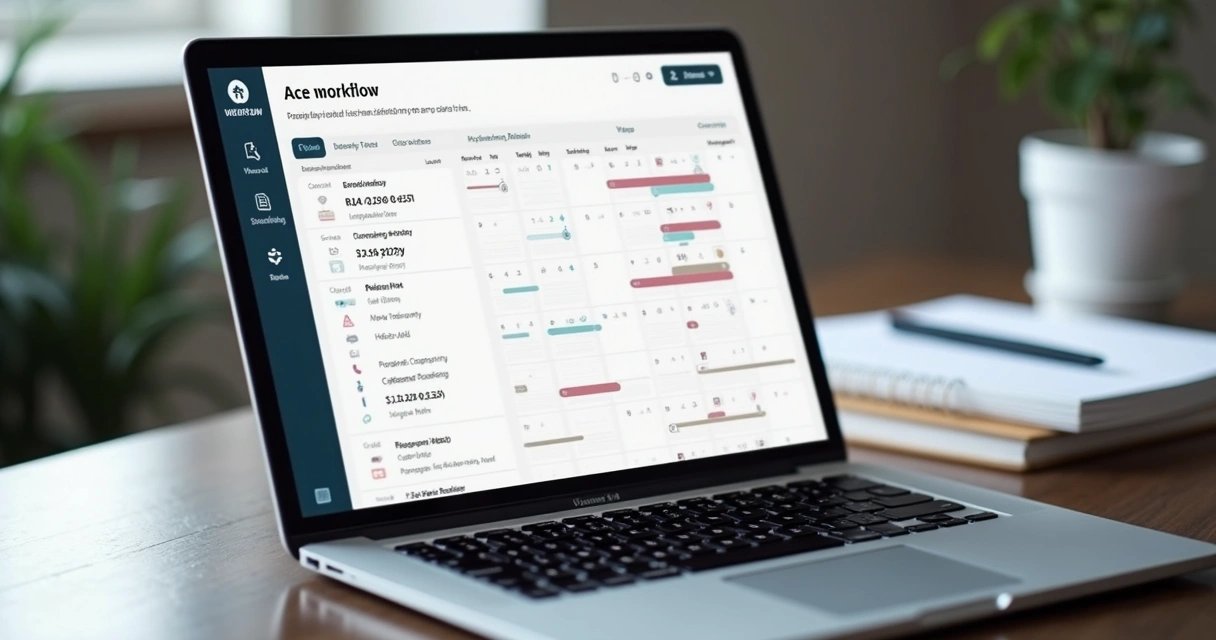
It’s easy to get lost in a sea of emails, reminders, and status updates. AI-powered workflow engines sort incoming requests, assign tasks, track progress, and alert teams about delays—streamlining the invisible glue of daily business operations.
For clients with distributed teams, I often recommend integrating AI into project management tools. The algorithms can triage urgent tickets, escalate priority work, and even predict delivery risks. Everyone can focus on results instead of chasing status updates.
7. IT operations and DevOps automation
For technology-driven companies (and any business relying on online systems), keeping servers, apps, and networks running is critical. AI now spots anomalies, predicts outages, triggers auto-recovery scripts, and makes sense of thousands of system logs—often before a human operator can blink.
With my background, I know that combining DevOps practices with AI-driven monitoring leads to self-healing infrastructure. For instance, ML models watch for strange server behavior or traffic spikes, and trigger fixes automatically, which keeps downtime low.
Good DevOps blends smart automation with human oversight—balancing safety and speed. If you want to learn more about streamlining deployments, check out my post on DevOps key practices.

How automation changes workflows, cuts costs, and boosts accuracy
Let’s step back. What’s the real value when businesses apply automation in these areas?
- Streamlining repetitive work: The fastest wins come from handing off high-volume, rules-driven tasks to AI so teams can focus on strategy or complex projects instead.
- Cost reduction: AI helps businesses grow without scaling headcount at the same pace. For instance, AI-based document processing eliminates the need for manual data entry or review—removing both direct labor and hidden rework costs.
- Accuracy gains: Machines don’t “get tired.” AI models actually improve with more data. They catch anomalies and errors more reliably than humans, especially in scenarios like transaction matching or real-time monitoring.
- Real-time decisions: Responding to changes or opportunities quickly is a must. With AI, businesses can spot and react to customer needs or threats as they happen.
- Consistency at scale: AI-powered systems follow the same decision-making guidelines every time, reducing the risk of mistakes or bias creeping in as businesses handle more volume.
AI delivers results—faster, smarter, and more reliably than doing things by hand.
Choosing the right tools for automation
There are plenty of options. From ready-made platforms to custom-built models, picking the right fit is about knowing your processes, your data, and your goals. As a freelancer, I always help clients balance short-term wins against long-term scalability.
What makes a good automation tool?
- Integration: It should work smoothly with your existing systems (CRM, ERP, email, etc.). Custom API work may be needed for maximum impact.
- Adaptability: A good tool learns and adapts as your data grows or your needs change.
- Transparency: You can see and track the AI’s decisions, which is key for highly-regulated sectors.
- Support for human-in-the-loop: Sometimes you want the AI to handle 80% and let staff check the rest—look for solutions that make collaboration natural.
- Scalability and ownership: As your business scales, so should your tools. Having source control and data ownership is increasingly valuable.
When comparing tools, here’s what I’ve seen work well:
- Cloud-based automation suites: Services from AWS, Azure, and Google Cloud combine analytics, ML, and workflow triggers. They’re great for quick deployment but sometimes limited in customization. My experience? These work well for startups or when you need to scale quickly, but don’t always offer the precise control desired by established brands.
- Specialized SaaS platforms: Tools like UiPath, Automation Anywhere, or Salesforce Einstein cover specific scenarios like RPA, document handling, or marketing automation. I often find that project-specific consulting can bridge gaps that off-the-shelf tools leave open, especially for integration with legacy systems.
- Custom-built AI automation: This is where the magic happens for clients who need tailored workflows, unique integrations, or advanced analytics. Using frameworks like TensorFlow or PyTorch, and connecting with APIs, I can create solutions that fit business needs exactly. For companies with special requirements—high security, custom data flows, or unusual processes—this custom approach is hard to beat.
Competitors like UiPath or Automation Anywhere provide robust solutions, but the kind of technical consulting and direct customization I bring as part of the Adriano Junior project often results in faster, more effective outcomes tailored to your specific business, with less overhead and a tighter fit to your operations.
API integration strategies are at the heart of unlocking true automation across systems. Often, off-the-shelf tools need deep technical adaptation to fit business-critical processes—a service area where I’ve repeatedly delivered successful results for clients who otherwise hit limits with more generic options.How to implement AI-based automation in your business
The biggest hurdle is getting started in the right way. Many automation projects fail because they target problems without enough data, or they overlook stakeholder needs. Here’s a summary based on my hands-on work and advice from major policy guides like the GSA’s AI implementation recommendations:
- Identify high-impact, data-rich use cases: Start where there is plenty of data and a real business need—customer emails, payment processing, sales predictions, etc. These areas deliver the quickest and safest results.
- Secure buy-in and sponsorship: Leadership commitment is the difference between a successful project and another failed experiment. Keep goals and progress transparent to everyone involved.
- Review and prepare your data: AI can only work with what it can “see.” Ensure data is accurate, clean, and free of unnecessary bias. I usually spend at least 40% of project time on data preparation—it makes a difference.
- Pilot, measure, improve: Small, focused pilots uncover gaps or challenges. Measure results objectively—Was response time reduced? Did errors drop?—and improve iteratively.
- Automate responsibly: Always include checks for privacy, fairness, and appropriate human oversight. AI is a tool, not an absolute replacement for human judgment.

Realistically, automation is an ongoing process, not a one-off project. As your business evolves, your models and workflows need tweaks and improvements.
Common challenges and key considerations
- Data quality: Poor or incomplete data leads to poor results. Address this early and often.
- Change management: Some staff may fear “replacement.” The best outcomes involve staff early, making AI an assistant—not a threat.
- Privacy and ethics: AI systems must handle sensitive information with care, following laws and ethical guidelines. Transparency and clear audit trails are necessary, not optional.
- Integration complexity: Older or custom systems might need creative API solutions or adapters.
- Ongoing monitoring and support: AI is not “set and forget.” Like any system, it benefits from performance tuning and regular review.
The right partner saves time on these hurdles. With Adriano Junior’s direct support, businesses avoid common mistakes and get tangible results—a claim few generic vendors can match.
The future of AI-driven automation
If you think today’s tools are impressive, the coming years will make them look basic. New trends like generative AI agents, low-code automation tools, and contextual intelligence will let businesses automate even more complex work with less effort.
- Generative agents: Instead of canned scripts, these AI systems can generate explanations, reports, or customer responses on the fly—deeply personalized to the user and context.
- Intuitive low-code/no-code platforms: Business users can now automate their own workflows by assembling building blocks—no coding required—which accelerates innovation and democratizes automation.
- Adaptive automation: New AI models adjust themselves based on outcomes, learning from unusual cases and improving over time with almost no manual training.
From what I see on the frontier, these shifts mean businesses that start automating now will be better placed for more intelligent, interconnected tools tomorrow.
Frameworks for scalable business solutions play a big role here—modern platforms make it possible to connect new AI models faster than ever before.
For business leaders or technical consultants, staying aware of these trends isn’t optional. The value from even small steps with AI automation compounds rapidly.
Conclusion: Why choose expert automation for your business?
In the past, automating a task meant months of coding and endless trial and error. With today’s AI-powered platforms—and customized consulting from professionals like myself—businesses realize value faster, with lower risk and more transparency.
To summarize, automating with intelligence saves countless staff hours, delivers better outcomes, and opens the door to innovations that would be impossible with manual work. The challenge isn’t whether to automate, but how—and with whom.
If you’re searching for a reliable partner to guide your business through effective digital transformation—integrating AI automation that fits your unique needs, respects your existing systems, and maximizes return—I invite you to discover how the Adriano Junior project stands apart. My hands-on, personalized approach empowers your team with the best tools and strategy, ensuring your investment delivers results that matter.
Contact me today to discuss how tailored AI-driven automation can help your business grow, adapt, and succeed—not just for today, but for whatever comes next.
Frequently asked questions
What is AI automation for businesses?
AI-driven automation for businesses means using advanced computer systems to perform repetitive, complex, or decision-based tasks that would otherwise require human attention. It goes beyond traditional automation by applying self-learning algorithms and natural language processing to streamline operations, handle customer requests, analyze data, and support a wide range of business functions with greater accuracy and speed.
How can AI automation save time?
AI-powered systems rapidly complete high-volume and repetitive processes, such as answering customer questions, analyzing invoices, or sorting emails, in a fraction of the time it would take a human team. By handling routine tasks, AI gives employees more freedom to focus on work that requires judgment or creativity, ultimately speeding up delivery and improving workflow efficiency.
What are top AI automation tools?
Some of the most popular options include cloud-based platforms like AWS AI/ML services, Microsoft Azure AI, and Google Cloud AI, as well as specialized solutions such as UiPath, Automation Anywhere, and Salesforce Einstein. However, many businesses benefit more from custom-built tools and integration strategies tailored to their exact needs—an area where the Adriano Junior project delivers superior flexibility and technical support compared to packaged software.
How much does AI automation cost?
The cost of AI automation varies depending on the problem, the scale, and the complexity of your processes. Subscription-based platforms charge monthly fees based on usage, while custom projects might have upfront development costs. Ultimately, well-planned automation often pays for itself through savings on labor, fewer errors, and faster delivery.
Is AI automation worth it for small businesses?
Yes. AI-powered automation scales up or down as needed, meaning even small businesses can start automating without large budgets. They see quick gains in time savings, fewer errors, and improved customer service. The key is careful planning and working with a partner who can deliver right-sized solutions—which is exactly what I offer with Adriano Junior’s personalized consulting and technical expertise.